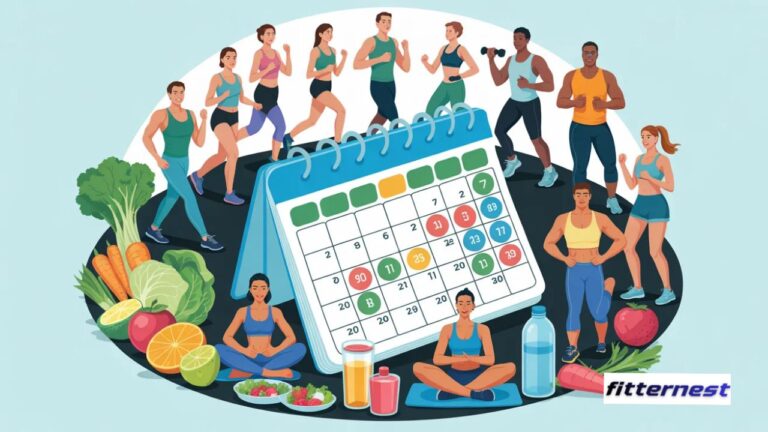
30-Day Weight Loss Challenge That Actually Works for Everyone

Weight loss challenge programs are a simple way to start your fitness journey with clear goals and daily action. Many beginners feel confused about where to begin. However, a structured plan makes everything easier.
A good 30-day weight loss plan helps you stay focused and consistent. It combines a smart weight loss diet plan with a basic weight loss workout routine. You do not need extreme rules or hard training.
Instead, you build small daily habits that create real change. Over time, this approach becomes a healthy weight loss program that fits your life. With patience and effort, your weight loss challenge can bring steady and lasting results.
Table of Contents
- What Is a 30-Day Weight Loss Challenge and How Does It Work?
- Benefits of Joining a Structured Weight Loss Challenge.
- How Much Weight Can You Lose in a 30-Day Weight Loss Challenge?
- 15 Powerful Weight Loss Challenge Ideas to Stay Motivated.
- How to Plan a 30-Day Weight Loss Challenge Diet.
- How to Create an Effective Weight Loss Challenge Workout Plan.
- 60-Day Weight Loss Challenge vs 30-Day Weight Loss Challenge – Which Is Better?
- Office Weight Loss Challenge: How to Run a 30-Day Workplace Program.
- Weight Loss Challenge vs Fat Loss – What Should Be Your Goal?
- Common Mistakes to Avoid During a Weight Loss Challenge.
- How to Stay Motivated Throughout Your Weight Loss Challenge.
- What to Do After Completing a 30-Day Weight Loss Challenge.
- FAQs
What Is a 30-Day Weight Loss Challenge and How Does It Work?
A weight loss challenge is a short-term program designed to improve daily routines. It usually combines exercise, nutrition, and lifestyle changes. Most people follow a structured healthy weight loss program for 30 days because it helps build consistency.
During this period, you focus on creating a calorie deficit while improving food choices and activity levels. Many people track progress weekly instead of daily. As a result, stress stays low and motivation remains high. A well-designed challenge focuses on progress, not perfection.
Benefits of Joining a Structured Weight Loss Challenge
A structured weight loss challenge gives direction. You know what to do each day. This reduces confusion and saves time. Also, small daily wins increase confidence and consistency.
Key benefits include:
- Better energy levels and improved mood
- Clear workout and weight loss diet plan structure
- Strong accountability and motivation
- Improved body fat percentage over time
- Development of long-term healthy habits
Because the plan is short, people stay focused. Therefore, results feel achievable and encouraging.
How Much Weight Can You Lose in a 30-Day Weight Loss Challenge?

Results vary from person to person. However, most beginners lose 4–8 pounds safely in a month. The goal is steady fat loss instead of extreme dieting.
Weight loss depends on:
| Factor | Impact on Results |
| total daily energy expenditure (TDEE) | Determines calorie needs |
| Activity level | Higher movement burns more calories |
| Sleep quality | Poor sleep slows progress |
| Nutrition consistency | Supports fat loss |
A successful fat loss challenge focuses on sustainable change. Therefore, slow progress usually lasts longer.
15 Powerful Weight Loss Challenge Ideas to Stay Motivated
Trying new activities keeps a weight loss challenge fun. Variety prevents boredom and helps maintain consistency.
Exercise-Based Weight Loss Challenge Ideas
Exercise improves fitness and supports fat loss. It also boosts mood and energy.
- Weekly Group Hikes
- Swimming Challenge
- Jump Rope Challenge
- Group Sports Challenge
- 30-Minute Daily Walk Challenge
These activities support a strong weight loss workout routine while keeping exercise enjoyable.
Nutrition-Based Weight Loss Challenge Ideas
Food choices play a major role in success. Small nutrition changes create big results over time.
- Sugar Detox Challenge
- Hydration Challenge
- Whole Foods Recipe Challenge
- Calorie-Counting Challenge
- No Junk Food Challenge
These ideas help control calories naturally. They also improve digestion and energy levels.
Lifestyle-Based Weight Loss Challenge Ideas
Lifestyle changes often decide long-term success. Good routines improve recovery and mental focus.
- Digital Detox Challenge
- Mindful Eating Challenge
- Daily Yoga or Meditation Challenge
- Sleep Improvement Challenge
- Blog or Vlog Progress Challenge
Better sleep and stress control strengthen healthy habits during the challenge.
How to Plan a 30-Day Weight Loss Challenge Diet

A good diet plan should feel simple. Extreme restrictions usually fail. Instead, focus on balance and consistency.
Key principles include:
- Eating enough protein to protect muscle
- Choosing fiber-rich foods for fullness
- Planning meals ahead using meal prep
- Staying hydrated daily
A balanced weight loss diet plan supports energy and recovery while maintaining a steady calorie deficit.
Calculate Your Daily Calorie Needs (TDEE)
Understanding your total daily energy expenditure (TDEE) helps set realistic calorie targets. First, estimate how many calories you burn daily. Then reduce calories slightly for fat loss. This approach keeps energy levels stable during a weight loss challenge.
Focus on Lean Protein and Whole Foods
Lean protein helps preserve muscle during weight loss. Whole foods improve fullness and reduce cravings. For example, chicken, fish, eggs, vegetables, and whole grains support a healthy metabolism and stable energy levels.
Avoid Liquid Calories
Sugary drinks add calories quickly. However, they do not keep you full. Replace soda or sweet coffee with water or unsweetened drinks. This small change often speeds up results in a 30-day weight loss plan.
Meal Prep and Plan Ahead
Planning meals removes guesswork. When healthy food is ready, poor choices become less likely. Many successful participants prepare meals twice weekly to stay consistent.
Sample 1800-Calorie Meal Plan for a Weight Loss Challenge
| Meal | Example |
| Breakfast | Eggs, oatmeal, fruit |
| Lunch | Chicken salad with vegetables |
| Dinner | Fish, rice, and vegetables |
| Snack | Greek yogurt or nuts |
This structure supports energy while maintaining a calorie deficit.
How to Create an Effective Weight Loss Challenge Workout Plan
Exercise should feel challenging but manageable. Combining cardio and strength training works best. Muscle helps burn more calories even at rest.
A balanced routine includes:
- Resistance training sessions
- Walking or light cardio
- Recovery days for muscle repair
This approach improves fitness while supporting steady fat loss.
Strength Training 3-5 Days Per Week
Regular strength training helps maintain muscle during weight loss. It also increases metabolism. Beginners should start with basic movements such as squats, push-ups, and rows.
Daily Step Goal (7,500-10,000 Steps)
A consistent daily step goal increases calorie burn without stress. Walking after meals improves digestion and helps maintain activity levels throughout the day.
Add Moderate Cardio Without Overdoing It
Cardio supports heart health and calorie burn. However, too much cardio can cause fatigue. Walking, cycling, or swimming two to three times weekly works well for beginners.
Train Each Muscle Group Twice Weekly
Training muscles more than once weekly improves strength and recovery. Balanced training also reduces injury risk during a weight loss challenge.
Sample 5-Day Weight Loss Challenge Workout Routine
| Day | Focus |
| Day 1 | Chest and arms |
| Day 2 | Lower body |
| Day 3 | Rest or walking |
| Day 4 | Back and shoulders |
| Day 5 | Full body workout |
60-Day Weight Loss Challenge vs 30-Day Weight Loss Challenge – Which Is Better?
A 30-day challenge builds momentum quickly. A 60-day fitness challenge allows deeper habit formation. Beginners usually start with 30 days. After success, extending the program helps maintain results and avoid rebound weight gain.
Office Weight Loss Challenge: How to Run a 30-Day Workplace Program

An office weight loss challenge increases accountability. Coworkers motivate each other and share progress. Friendly competition often improves participation and consistency.
Nutrition Challenges for the Workplace
- Healthy lunch swaps
- Water intake tracking
- No junk food days
These small changes improve energy during work hours.
Fitness Challenges for Office Teams
- Step competitions
- Lunch break walks
- Weekly group workouts
Movement breaks reduce sitting time and improve productivity.
How to Track Progress at Work
Teams can track:
- Weekly weight averages
- Step counts
- Workout completion rates
Tracking keeps motivation high during the weight loss challenge.
Weight Loss Challenge vs Fat Loss – What Should Be Your Goal?
The scale does not tell the full story. Fat loss matters more than weight alone. Building muscle while losing fat improves appearance and health. Therefore, tracking measurements and body fat percentage gives better insight than scale numbers alone.
Common Mistakes to Avoid During a Weight Loss Challenge
Many people lose progress due to simple mistakes. Avoiding them increases success.
- Eating too little food
- Skipping recovery days
- Ignoring sleep quality
- Expecting instant results
Consistency always beats perfection in a weight loss challenge.
How to Stay Motivated Throughout Your Weight Loss Challenge

Motivation rises and falls. Therefore, systems matter more than feelings. Set weekly goals and celebrate small wins. Progress photos and habit tracking help you see improvement even when the scale moves slowly.
What to Do After Completing a 30-Day Weight Loss Challenge
Finishing a weight loss challenge is only the beginning. Continue the routines that worked best. Gradually increase calories while maintaining activity levels. This prevents weight gain and turns short-term success into lifelong healthy habits.
FAQs
What is the best weight loss challenge?
The best weight loss challenge combines a balanced diet, regular exercise, and consistent healthy habits that you can maintain long term.
What are the first signs you are losing weight?
Early signs include looser clothes, reduced bloating, better energy levels, and improved sleep.
What drinks help you lose belly fat?
Water, green tea, black coffee, and protein shakes can support fat loss when combined with a calorie-controlled diet.
How can I lose 20 pounds in a month?
Losing 20 pounds in a month is usually unsafe, so focus on steady fat loss through a calorie deficit and daily activity.
Which body part loses fat first?
Fat loss varies by person, but many people notice changes first in the face, arms, or waist.
How to speed up weight loss?
Increase daily movement, eat more protein, improve sleep, and stay consistent with a structured routine.

I am a dedicated wellness and fitness writer promoting a healthy, balanced lifestyle. I provide easy fitness guidance, smart nutrition tips, and mindful living ideas to help readers develop lasting habits and reach their wellness goals.
View All Articles