Meal Plan for Weight Loss: Smart Calories, Better Results

A meal plan for weight loss is not about starving yourself or following extreme food rules. It is a structured way of eating that helps your body burn fat while staying energized and healthy.
Instead of cutting entire food groups, a smart meal plan focuses on calorie awareness, balanced nutrition, and consistency. This approach supports long-term fat loss without burnout.
A well-designed plan answers three key questions: what to eat, why it works, and how to follow it daily. By choosing smart calories, prioritizing balanced nutrition, and focusing on healthy eating habits, weight loss becomes predictable and sustainable.
When meals are planned in advance, you remove guesswork, reduce cravings, and make better decisions that support real, lasting results.
Table of Contents
- Introduction.
- How Weight Loss Works?
- Foods That Support Weight Loss.
3.1 Best Foods to Eat for Weight Loss.
3.2 Is Steak Good for Weight Loss? - Smart Meal Planning for Fat Loss.
- Sample Weight Loss Meal Plans.
5.1 7-Day Diet Menu to Lose Weight.
5.2 30-Day Weight Loss Plan. - Common Weight Loss Rules & Methods Explained.
- Realistic Weight Loss Expectations.
- Best Meals to Eat When Losing Weight.
- 5 Superfoods That Support Weight Loss.
- Tips to Stick to Your Meal Plan.
- FAQs.
- Final Takeaway: Smart Calories, Better Results.
How Weight Loss Works
Weight loss follows a simple principle: your body must use more energy than it consumes. However, not all calories affect the body the same way.
Calories vs Nutrients: What Actually Drives Fat Loss
Calories determine weight change, but nutrients determine health and hunger control. A 500-calorie meal of protein, fiber, and healthy fats keeps you full longer than 500 calories of processed food. This is why a meal plan for healthy eating and weight loss focuses on food quality, not just numbers.
Role of Protein, Fiber, and Healthy Fats
- Protein preserves muscle and boosts metabolism.
- Fiber improves digestion and controls appetite.
- Healthy fats support hormones and reduce cravings.
Together, these nutrients make a meal plan for weight loss easier to follow.
Why Consistency Beats Quick Fixes
Quick diets fail because they are hard to maintain. Consistent, repeatable meals lead to steady fat loss and better long-term results.
Foods That Support Weight Loss
Best Foods to Eat for Weight Loss
The foundation of any effective meal plan for weight loss is food selection.
Lean Proteins
- Chicken breast.
- Eggs.
- Fish (salmon, tuna).
- Greek yogurt.
Protein helps preserve muscle and increases fullness, making it the #1 nutrient for weight loss.
Vegetables and High-Fiber Carbs
- Leafy greens.
- Broccoli, cauliflower.
- Oats, quinoa.
- Sweet potatoes.
These foods provide volume without excess calories.
Healthy Fats in Moderation
- Olive oil.
- Avocados.
- Nuts and seeds.
Healthy fats improve satisfaction and reduce overeating when used wisely.
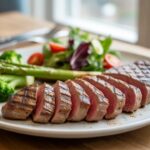
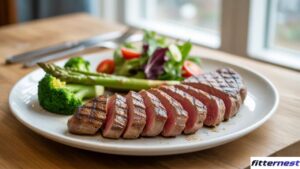
Is Steak Good for Weight Loss?
Yes, steak can fit into a meal plan for weight loss when eaten correctly.
Portion Control and Protein Benefits
Steak is rich in protein and iron. A 3-5 oz portion supports muscle maintenance and fullness.
Best Cuts of Steak for Fat Loss
- Sirloin.
- Flank steak.
- Filet mignon.
Avoid heavily marbled cuts and pair steak with vegetables instead of refined carbs.
Smart Meal Planning for Fat Loss
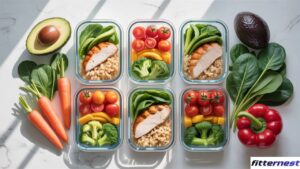
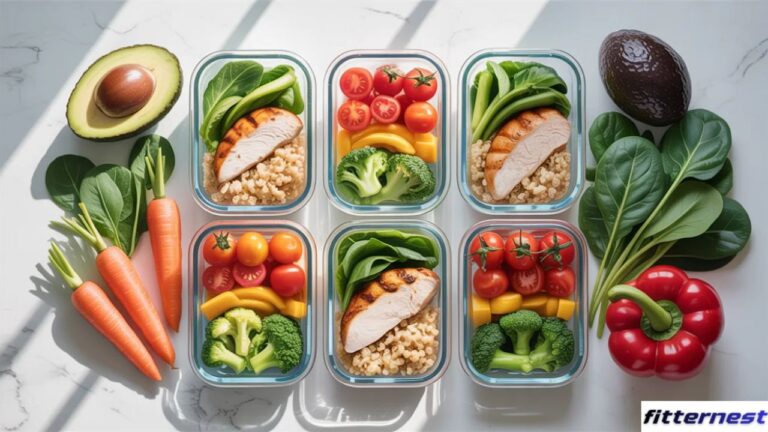
How to Build Balanced Meals.
Each meal should include:
- A lean protein source.
- A small amount of healthy fat.
This balance keeps blood sugar stable and hunger controlled.
Portion Sizing Without Calorie Obsession.
You do not need to track every calorie. Use simple visual cues:
- Palm-sized protein.
- Fist-sized vegetables.
- Thumb-sized fats.
Meal Timing and Flexibility
There is no perfect eating schedule. Focus on consistency rather than strict timing. Flexible meal plans lead to better adherence.
Sample Weight Loss Meal Plans
7-Day Diet Menu to Lose Weight.
Breakfast Options
- Eggs with vegetables.
- Greek yogurt with berries.
- Oatmeal with protein.
Lunch Options
- Grilled chicken salad.
- Tuna with whole grains.
- Turkey wrap with veggies.
Dinner Options
- Salmon with roasted vegetables.
- Lean steak with greens.
- Stir-fried chicken and vegetables.
Snack Options
- Fruit.
- Nuts.
- Protein shake.
This structure supports fat loss without extreme restriction.
30-Day Weight Loss Plan
A 30-day weight loss plan focuses on habit building, not perfection.
Weekly Structure
- Week 1: Clean up food choices.
- Week 2: Improve portion control.
- Week 3: Increase consistency.
- Week 4: Refine and repeat.
How to Stay Consistent Long-Term
- Repeat meals you enjoy.
- Plan ahead for busy days.
- Allow flexibility for social events.
Common Weight Loss Rules & Methods Explained
What Is the 3-3-3 Rule for Weight Loss?
The 3-3-3 rule usually refers to:
- 3 balanced meals.
- 3 high-protein snacks.
- 3 daily movement sessions.
It works because it promotes structure and activity without extremes.
The Japanese Weight Loss Method (Habit-Based)
This method focuses on:
- Smaller portions.
- Slower eating.
- Daily walking.
It emphasizes lifestyle habits rather than dieting.
Myths vs Facts
- Myth: Skipping meals speeds fat loss.
- Fact: Skipping meals often leads to overeating.
Realistic Weight Loss Expectations
How Much Weight Is Safe to Lose Per Week?
A healthy rate is 1-2 pounds per week. This supports fat loss while preserving muscle.
Can You Lose 5 Pounds in 7 Days?
Rapid weight loss is mostly water weight. True fat loss takes time and consistency.
Why Extreme Goals Can Backfire?
Extreme dieting slows metabolism, increases cravings, and often leads to weight gain.
Best Meals to Eat When Losing Weight
Best Breakfast for Weight Loss
- Eggs with vegetables.
- Protein smoothies.
- Greek yogurt bowls.
Best Lunch and Dinner Choices
- Lean protein + vegetables.
- Balanced carbs in moderation.
Best Fruits for Weight Loss
- Berries.
- Apples.
- Citrus fruits.
These fruits are high in fiber and low in calories.
5 Superfoods That Support Weight Loss
- Eggs – high protein and versatile.
- Leafy greens – low calorie, high volume.
- Greek yogurt – protein and gut health.
- Berries – antioxidants and fiber.
- Salmon – protein and healthy fats.
Include them regularly in your meal plan for weight loss.
Tips to Stick to Your Meal Plan
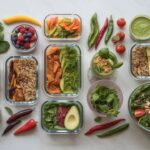
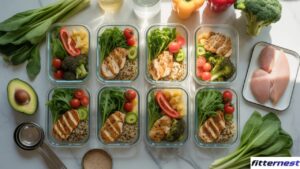
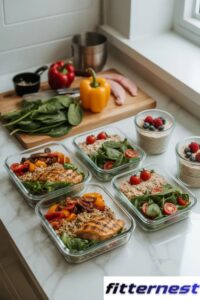
Meal Prep Strategies
- Cook proteins in batches.
- Pre-cut vegetables.
- Plan meals for the week.
Eating Out Without Guilt
- Choose grilled options.
- Control portions.
- Balance the rest of the day.
Staying Consistent Without Burnout
- Allow flexibility.
- Focus on progress, not perfection.
FAQs
How can I drop 20 pounds in a month?
Rapid loss is not sustainable. Focus on steady habits for long-term success.
Which is the best meal for weight loss?
Meals high in protein, fiber, and healthy fats work best.
What is the #1 food for weight loss?
Protein-rich foods are the most effective.
Which fruit is best for weight loss?
Berries are low-calorie and high in fiber.
What is the best meal to eat when losing weight?
A balanced meal with lean protein and vegetables.
Final Takeaway: Smart Calories, Better Results.
A successful meal plan for weight loss is built on smart calories, balanced nutrition, and consistency.
There is no need for extreme rules or food elimination. By focusing on real foods, structured meals, and realistic expectations, weight loss becomes sustainable and achievable.
Follow a plan you can repeat, adjust as needed, and stay patient. Long-term success always beats short-term fixes.

I am a dedicated wellness and fitness writer promoting a healthy, balanced lifestyle. I provide easy fitness guidance, smart nutrition tips, and mindful living ideas to help readers develop lasting habits and reach their wellness goals.
View All Articles