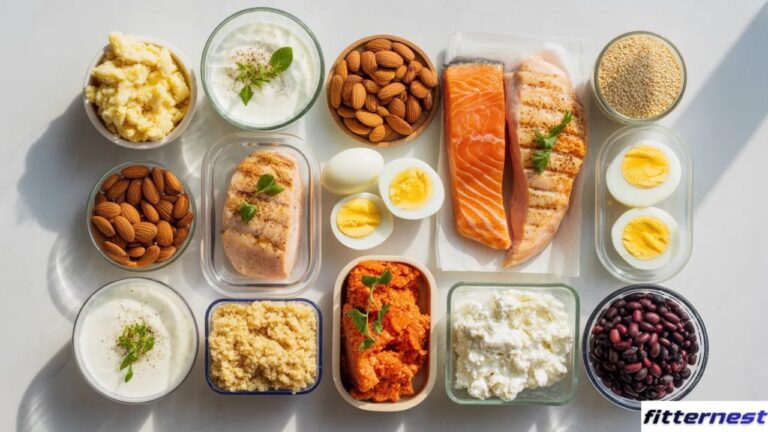
How to Eat 160 Grams of Protein a Day: Real Food Guide

Learning how to eat 160 grams of protein a day may seem challenging, but with the right approach, it becomes simple and sustainable.
Many people struggle to meet high protein targets while relying on real foods instead of supplements. A structured plan helps you understand how many grams of protein should I eat, choose the right protein-rich foods, and follow a balanced high-protein daily diet without overeating calories.
Whether your goal is muscle growth, fat loss, or better metabolic health, knowing your protein allowance daily is essential. By spreading protein intake evenly across meals and focusing on quality sources, you can reach 160 grams per day while supporting strength, energy, and long-term wellness.
Table of Contents
- Introduction.
- What Does Eating 160 Grams of Protein a Day Mean?
- Why Does a High Protein Diet Matters?
- How Much Protein Should You Eat Per Meal?
- Best Protein-Rich Foods to Reach 160 Grams.
- Sample Daily Meal Plan (160 Grams Protein).
- How to Eat 160 Grams of Protein a Day Without Supplements.
- How to Eat 160 Grams of Protein a Day (Vegetarian Options).
- Common Mistakes to Avoid on a High-Protein Daily Diet.
- FAQs.
- Conclusion.
What Does Eating 160 Grams of Protein a Day Mean?
Eating 160 grams of protein per day means intentionally structuring your meals around protein-rich foods so that protein becomes the foundation of your diet, not an afterthought.
Protein allowance daily varies based on body weight, activity level, age, and goals, but 160 grams is commonly recommended for active adults, strength trainers, and those following a high protein diet meal plan.
To put it simply, 160 grams of protein equals:
- Four meals with 35-40 grams of protein each.
- Or three meals plus one high-protein snack.
This approach ensures your body receives a steady supply of amino acids throughout the day, which supports muscle repair, hormone production, and satiety.
Why Does a High Protein Diet Matters?
A high-protein daily diet is not just for bodybuilders. Research consistently shows that higher protein intake supports multiple health benefits when balanced correctly.
1. Supports Muscle Growth and Preservation
Protein provides essential amino acids needed to build and maintain muscle mass. This is critical not only for athletes but also for aging adults to prevent muscle loss.
2. Improves Fat Loss Results
Protein has a higher thermic effect than carbs or fats, meaning your body burns more calories digesting it. It also helps preserve lean mass during calorie deficits.
3. Enhances Appetite Control
Protein-rich foods increase feelings of fullness, making it easier to control calories without feeling deprived.
4. Stabilizes Blood Sugar
Balanced meals with adequate protein help reduce blood sugar spikes, supporting metabolic health and energy levels.
For many people asking, “how many grams of protein should I eat?”, 160 grams is a practical target that aligns well with fitness and body composition goals.
How Much Protein Should You Eat Per Meal?
One of the most effective strategies for success is distributing protein evenly across the day. Instead of loading all your protein into dinner, aim for balanced protein intake per meal.
Ideal Protein Distribution Example
- Breakfast: 35-40 grams.
- Lunch: 40-45 grams.
- Dinner: 40–45 grams.
- Snack: 25–30 grams.
This method improves muscle protein synthesis and digestion while keeping energy levels stable. For women wondering how many grams of protein per day for a woman, the same distribution applies, though portion sizes may vary based on calorie needs.
Best Protein-Rich Foods to Reach 160 Grams
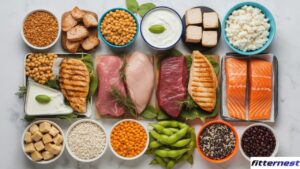
Choosing the right protein-rich foods makes hitting your target far easier.
Animal-Based Protein Sources
- Chicken breast.
- Turkey.
- Lean beef.
- Eggs.
- Greek yogurt.
- Cottage cheese.
- Salmon.
- Tuna.
Plant-Based Protein Sources
- Lentils.
- Chickpeas.
- Tofu.
- Tempeh.
- Edamame.
- Quinoa.
- Black beans.
Including a variety of complete protein foods ensures you meet amino acid needs while keeping meals interesting.
Sample Daily Meal Plan (160 Grams Protein)
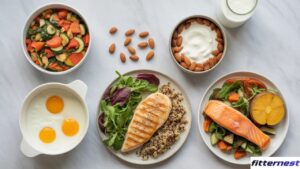
Here’s a realistic daily protein intake plan using real foods only.
Breakfast (40g Protein)
- 3 whole eggs.
- 1 cup egg whites.
- Sautéed vegetables..
Lunch (45g Protein)
- 6 oz grilled chicken breast.
- Quinoa or brown rice.
- Mixed greens.
Snack (30g Protein)
- 1 cup Greek yogurt.
- Handful of almonds.
Dinner (45g Protein)
- 6 oz salmon or lean beef.
- Roasted vegetables.
- Sweet potato.
This structure supports consistent protein intake per meal without excessive calories.
How to Eat 160 Grams of Protein a Day Without Supplements
You don’t need protein powders to succeed. Focus on:
- Prioritizing protein at every meal.
- Using high-protein snacks.
- Cooking in bulk for meal prep.
- Choosing lean protein sources.
Reading labels and planning ahead are key habits for maintaining a high-protein daily diet using real foods.
How to Eat 160 Grams of Protein a Day (Vegetarian Options)
For those searching how to eat 160 grams of protein a day vegetarian, it is absolutely achievable with smart combinations.
Vegetarian Protein Strategy
- Combine legumes and grains.
- Use dairy and eggs if allowed.
- Include tofu and tempeh daily.
Example Vegetarian Protein Day
- Breakfast: Greek yogurt + chia seeds.
- Lunch: Lentil quinoa bowl.
- Snack: Cottage cheese.
- Dinner: Tofu stir-fry.
Consistency and variety are essential for meeting protein allowance daily on a vegetarian diet.
Common Mistakes to Avoid on a High-Protein Daily Diet
- Skipping breakfast protein.
- Relying too heavily on processed foods.
- Ignoring fiber and vegetables.
- Over eating calories to hit protein goals.
A balanced approach ensures long-term success and supports overall health.
FAQs
Is it safe to eat 160 grams of protein a day?
Yes, for healthy individuals with normal kidney function, consuming 160 grams of protein per day is considered safe and beneficial when balanced with whole foods.
How do I get 150 grams of protein a day?
Follow a similar structure by distributing protein across meals and prioritizing protein-rich foods at each eating occasion.
How much chicken is 160 grams of protein?
Approximately 24-26 ounces of cooked chicken breast provides around 160 grams of protein.
How much protein is in 2 eggs a day?
Two large eggs contain about 12–14 grams of protein, making them a good base but not enough alone for high protein goals.
What foods are highest in protein?
Lean meats, eggs, dairy, fish, tofu, tempeh, and legumes rank among the highest protein foods.
Conclusion
Learning how to eat 160 grams of protein a day is less about extreme dieting and more about smart planning.
When you structure meals around protein-rich foods, distribute intake evenly, and rely on real food sources, hitting this goal becomes simple and sustainable.
Whether you follow a traditional or vegetarian approach, a high protein diet meal plan supports muscle health, fat loss, and long-term wellness. Start with small adjustments, stay consistent, and let your daily protein intake plan work in your favor.

I am a dedicated wellness and fitness writer promoting a healthy, balanced lifestyle. I provide easy fitness guidance, smart nutrition tips, and mindful living ideas to help readers develop lasting habits and reach their wellness goals.
View All Articles