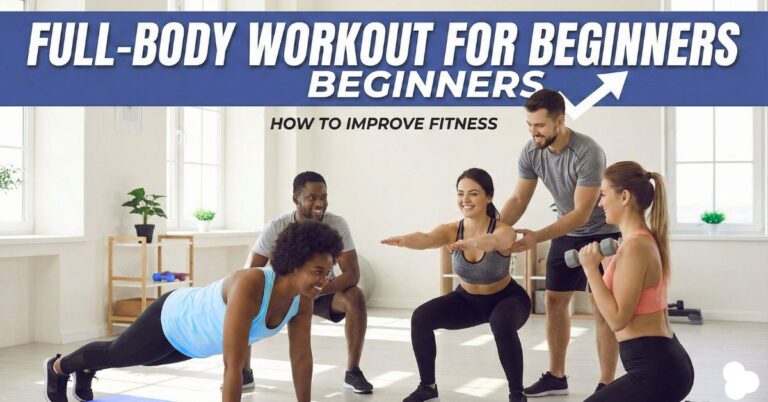
How To Improve Fitness With A Full-body Workout For Beginners?

Improving fitness doesn’t require expensive gym memberships, complicated equipment, or advanced training knowledge. For beginners, the most effective and sustainable approach is fitness with a full-body workout. This method trains all major muscle groups in a balanced way, helping you build strength, improve endurance, and boost overall health-without overwhelming your body.
If you’re just starting your fitness journey, this guide will walk you through everything you need to know, from benefits to routines, mistakes to avoid, and tips for long-term success.
What Is a Full-Body Workout?
A full-body workout is a training style that targets multiple muscle groups in a single session, including:
- Legs
- Chest
- Back
- Shoulders
- Arms
- Core
Instead of isolating one muscle group per day, full-body workouts focus on compound movements that work several muscles at once. This makes them ideal for beginners because they are efficient, practical, and easier to follow.
Why Fitness With a Full-Body Workout Is Best for Beginners
1. Simple and Easy to Follow
Beginners often quit because workouts feel confusing or too demanding. Full-body workouts remove complexity and keep things straightforward.
2. Better Muscle Balance
Training the entire body helps prevent muscle imbalances and reduces the risk of injury.
3. Faster Fitness Improvement
Because more muscles are engaged, you burn more calories and build strength more efficiently.
4. Time-Efficient
You can complete a full-body workout in 30–45 minutes, making it easier to stay consistent.
5. Ideal for Home Workouts
Most beginner full-body routines require little to no equipment, perfect for home fitness.
Key Benefits of Full-Body Workouts for Beginners
Improves Overall Strength
By consistently training major muscle groups, your body becomes stronger and more functional for daily activities.
Boosts Cardiovascular Fitness
Many full-body exercises raise your heart rate, improving heart and lung health.
Supports Fat Loss
Engaging multiple muscles increases calorie burn, which supports healthy weight management.
Enhances Flexibility and Mobility
Regular movement improves joint mobility and muscle flexibility over time.
Builds Consistency
Because the routine is manageable, beginners are more likely to stick with it.
Beginner-Friendly Full-Body Workout Structure
A proper full-body workout should follow this structure:
- Warm-Up (5–10 minutes)
- Main Workout (20–30 minutes)
- Cool-Down & Stretching (5–10 minutes)
Warm-Up Exercises (Essential for Beginners)
Warming up prepares your muscles and reduces injury risk.
Simple Warm-Up Routine:
- Arm circles – 30 seconds
- Marching in place – 1 minute
- Shoulder rolls – 30 seconds
- Bodyweight squats – 10 reps
- Light jumping jacks – 1 minute
Full-Body Workout Routine for Beginners
This beginner routine focuses on fitness with a full body workout using bodyweight exercises.
1. Bodyweight Squats

Targets: Legs and glutes
Reps: 12–15
Benefits: Builds lower body strength and mobility
2. Push-Ups (Knee or Wall Push-Ups)

Targets: Chest, shoulders, arms
Reps: 8–12
Benefits: Improves upper body strength
3. Glute Bridges

Targets: Glutes and core
Reps: 12–15
Benefits: Supports posture and lower back health
4. Standing Shoulder Press (Using Water Bottles)

Targets: Shoulders and arms
Reps: 10–12
Benefits: Builds shoulder strength safely
5. Plank Hold
Targets: Core
Time: 20–30 seconds
Benefits: Improves core stability and balance
6. Jumping Jacks (Optional)

Targets: Full body and cardio
Time: 30 seconds
Benefits: Boosts heart rate and endurance
Repeat the circuit 2–3 times, resting 60 seconds between rounds.
Cool-Down and Stretching
Cooling down helps your body recover and prevents stiffness.
Simple Cool-Down Stretches:
Hamstring stretch
Chest opener stretch
Shoulder stretch
Standing quad stretch
Deep breathing for 1–2 minutes
How Often Should Beginners Do Full-Body Workouts?
For best results:
- 3 days per week (e.g., Monday, Wednesday, Friday)
- Rest or light activity on off days
- Avoid training the same muscles on consecutive days
This frequency allows enough recovery while maintaining progress.
Common Beginner Mistakes to Avoid
1. Skipping Warm-Ups
This increases injury risk and reduces performance.
2. Doing Too Much Too Soon
Start slow. Progress comes from consistency, not intensity.
3. Poor Form
Focus on correct movement rather than speed or reps.
4. Ignoring Rest Days
Recovery is essential for muscle growth and energy levels.
5. Unrealistic Expectations
Fitness improvements take time-be patient with yourself.
Nutrition Tips to Support Fitness With a Full-Body Workout
You don’t need a strict diet, but basic nutrition matters.
Focus on:
- Protein for muscle recovery
- Whole foods like fruits and vegetables
- Proper hydration
- Balanced meals
Avoid:
- Extreme calorie restriction
- Skipping meals
- Overreliance on supplements
Good nutrition supports energy, recovery, and long-term fitness.
How Long Until You See Results?
Most beginners notice:
- Increased energy within 1–2 weeks
- Strength improvements in 3–4 weeks
- Visible fitness changes in 6–8 weeks
Consistency matters more than perfection.
Staying Motivated as a Beginner
- Set realistic goals
- Track workouts weekly
- Celebrate small wins
- Keep workouts short and enjoyable
- Focus on how your body feels, not just appearance
Fitness is a lifestyle, not a short-term challenge.
Conclusion
Improving fitness doesn’t have to be complicated. Fitness with a full-body workout is one of the most effective and beginner-friendly ways to build strength, increase endurance, and improve overall health.
By following a simple routine, focusing on proper form, and staying consistent, beginners can create long-lasting fitness habits without burnout or frustration.
Start slow, stay consistent, and let progress come naturally.

I am a dedicated wellness and fitness writer promoting a healthy, balanced lifestyle. I provide easy fitness guidance, smart nutrition tips, and mindful living ideas to help readers develop lasting habits and reach their wellness goals.
View All Articles