How 5 Components of Health-Related Fitness Improved daily life

Fitness is not only about workouts or body shape. True fitness helps you live better every day. The 5 components of health-related fitness support your body in simple, practical ways. They help you move with ease, stay strong, avoid injuries, and maintain long-term wellness.
Many people think fitness is complicated. In reality, fitness becomes easy when you understand these five components. They focus on how your body works in daily life, not on athletic performance or extreme training.
This guide explains each component in simple terms and shows how they improve daily life.
Table of Contents
- What Are the 5 Components of Health-Related Fitness?
- Why Health-Related Fitness Matters in Daily Life
- Cardiovascular Endurance.
- Muscular Strength.
- Muscular Endurance.
- Flexibility.
- Body Composition.
- How the 5 Components Work Together.
- Daily Life Examples of Health-Related Fitness.
- Simple Ways to Improve All 5 Components.
- Common Mistakes to Avoid.
- FAQs
- Conclusion.
What Are the 5 Components of Health-Related Fitness?
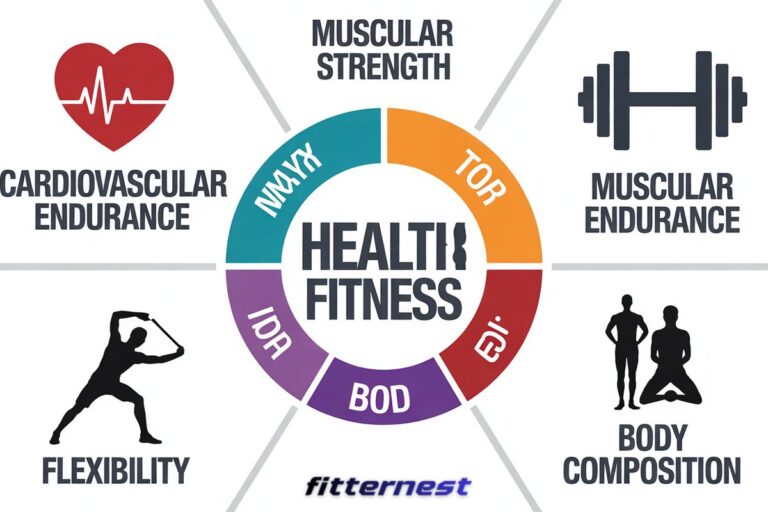
The 5 components of health-related fitness describe the key physical abilities your body needs to stay healthy and active. These components focus on physical fitness that supports daily activities.
The five components are:
- Cardiovascular endurance.
- Muscular strength.
- Muscular endurance.
- Flexibility.
- Body composition.
Together, they support functional fitness, overall physical wellness, and a balanced fitness routine.
Why Health-Related Fitness Matters in Daily Life
Health-related fitness is about function, not perfection. It helps you:
- Perform daily tasks with less effort
- Reduce injury risk
- Maintain strength and mobility
- Improve energy and focus
- Support long-term health
When these components are balanced, your body moves better. You feel stronger, lighter, and more confident in daily life.
1. Cardiovascular Endurance

What Is Cardiovascular Endurance?
Cardiovascular endurance is the ability of your heart, lungs, and blood vessels to supply oxygen during activity. It helps your body sustain movement over time.
This component supports cardiovascular endurance and active lifestyle improvement.
How It Improves Daily Life
Strong cardiovascular endurance helps you:
- Walk long distances without fatigue
- Climb stairs comfortably
- Play with children
- Perform household chores with ease
It also improves daily movement and energy.
Health Benefits
- Stronger heart and lungs.
- Better circulation.
- Improved stamina.
- Lower risk of heart disease.
Simple Ways to Improve It
- Brisk walking
- Cycling
- Swimming
- Dancing
- Light jogging
Consistency matters more than intensity.
2. Muscular Strength

What Is Muscular Strength?
Muscular strength is the amount of force your muscles can produce. It helps your body handle resistance safely.
This component supports functional body movement.
How It Improves Daily Life
Muscular strength helps with:
- Carrying groceries.
- Lifting boxes.
- Opening heavy doors.
- Maintaining good posture.
Strong muscles protect your joints and spine.
Health Benefits
- Reduced injury risk.
- Better balance and control.
- Improved posture.
- Stronger bones.
Simple Ways to Improve It
- Bodyweight exercises.
- Resistance bands.
- Light dumbbells.
- Controlled machine workouts.
Focus on proper form.
3. Muscular Endurance
What Is Muscular Endurance?
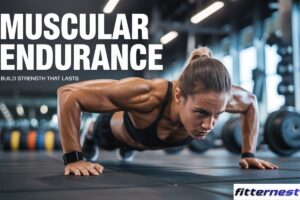
Muscular endurance is the ability of muscles to perform repeated movements over time. It supports daily activity without early fatigue.
How It Improves Daily Life
Muscular endurance helps you:
- Stand or walk for long periods.
- Perform repetitive tasks.
- Maintain energy throughout the day.
- Reduce muscle strain.
This component improves daily fitness activities.
Health Benefits
- Better work efficiency.
- Less muscle fatigue.
- Improved posture endurance.
- Enhanced physical stamina.
Simple Ways to Improve It
- Higher-repetition exercises.
- Light resistance training.
- Circuit workouts.
- Bodyweight movements.
4. Flexibility

What Is Flexibility?
Flexibility is the ability of joints and muscles to move freely. It improves comfort and range of motion.
This component supports strength and mobility.
How It Improves Daily Life
Good flexibility helps with:
- Bending and stretching.
- Reaching overhead.
- Sitting and standing comfortably.
- Maintaining balance.
Health Benefits
- Reduced stiffness.
- Improved posture.
- Lower injury risk.
- Better movement control.
Simple Ways to Improve It
- Daily stretching.
- Yoga.
- Mobility drills.
- Light warm-up exercises.
Flexibility improves the mind-body connection.
5. Body Composition

What Is Body Composition?
Body composition refers to the balance of fat, muscle, bone, and water in the body. Healthy body composition supports movement and energy.
How It Improves Daily Life
Balanced body composition helps with:
- Efficient movement.
- Better endurance.
- Improved strength.
- Long-term health benefits.
Health Benefits
- Reduced risk of chronic disease.
- Better metabolism.
- Improved physical appearance.
- Higher energy levels.
Simple Ways to Improve It
- Balanced nutrition.
- Regular activity.
- Strength training.
- Healthy lifestyle habits.
How the 5 Components Work Together
The 5 components of health-related fitness do not work alone. They support each other.
For example:
- Strength improves endurance.
- Flexibility supports strength.
- Cardiovascular fitness improves recovery.
- Healthy body composition improves movement.
Together, they create overall physical wellness.
Daily Life Examples of Health-Related Fitness
Here is how these components appear in real life:
- Walking to work → cardiovascular endurance.
- Carrying bags → muscular strength.
- Standing at work → muscular endurance.
- Bending to tie shoes → flexibility.
- Maintaining energy → healthy body composition.
This is fitness for daily life, not just the gym.
Simple Ways to Improve All 5 Components
You do not need complex routines.
Daily Habits That Work
- Walk at least 30 minutes.
- Stretch every morning.
- Use stairs instead of elevators.
- Maintain consistency and commitment.
- Follow sustainable fitness habits.
Small actions create long-term change.
Common Mistakes to Avoid
- Focusing on only one component.
- Ignoring flexibility.
- Skipping rest days.
- Using poor form.
- Expecting quick results.
Fitness is a personal growth journey, not a race.
FAQs
What are the 5 key components of health?
The five key components of health-related fitness are cardiovascular endurance, muscular strength, muscular endurance, flexibility, and body composition.
What are the 5 components of personal fitness?
Personal fitness includes heart endurance, muscle strength, muscle endurance, flexibility, and healthy body composition.
What are the 5 components of total fitness?
Total fitness combines physical fitness, mental well-being, strength, endurance, flexibility, and balance.
What are the 5 main components of fitness?
The five main components are cardiovascular endurance, muscular strength, muscular endurance, flexibility, and body composition.
What are the 5 C’s of fitness?
The 5 C’s of fitness often refer to cardiovascular fitness, core strength, coordination, consistency, and control.
Conclusion
The 5 components of health-related fitness form the foundation of a healthy life. They help your body move better, stay strong, and remain balanced.
Fitness is not about extremes. It is about building habits that support daily movement, energy, and quality of life.
Focus on consistency. Focus on balance. Your daily life will improve naturally.

I am a dedicated wellness and fitness writer promoting a healthy, balanced lifestyle. I provide easy fitness guidance, smart nutrition tips, and mindful living ideas to help readers develop lasting habits and reach their wellness goals.
View All Articles