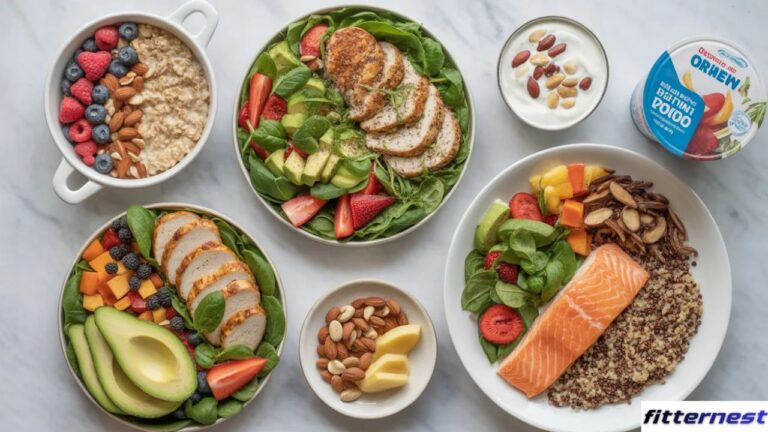
7-day 2,000-calorie meal plan for weight loss: Simple ways

Choosing the right calorie level can make healthy eating easier and more sustainable. A 2,000-calorie meal plan is popular. It offers energy, balance, and flexibility. Plus, it helps many people manage their weight. It allows room for a wide variety of foods without feeling overly restrictive.
A 7-day 2,000-calorie meal plan helps remove daily decision stress by offering clear meal ideas and portions. A well-planned 2,000-calorie meal plan helps you progress steadily and improves your nutrition habits.
This method emphasizes structure, consistency, and enjoyment. It helps you maintain a balanced 2,000-calorie diet for lasting success.
What Is a 2,000-Calorie Meal Plan?
A 2,000 calories a day meal plan sets a daily energy target that suits many adults, especially those who are active or larger-bodied. It creates either a small calorie deficit or maintenance level depending on activity and metabolism. The key is food quality and consistency.
Many people ask, what does a 2,000-calorie meal plan look like? It usually includes three main meals and two snacks. Lean protein, whole grains, fruits, vegetables, and healthy fats form the foundation. When planned well, it becomes a balanced 2,000-calorie diet rather than overeating.
Who it’s for (men, women, active adults)
This plan works especially well for active adults, taller individuals, and men. A 2,000-calorie meal plan for men often supports weight loss when paired with regular movement. Active women may also thrive at this level.
How 2,000 calories supports weight loss
Weight loss depends on burning more calories than consumed. For active people, a 2,000-calorie diet for weight loss can still create a calorie deficit. Adequate protein preserves muscle, while carbs support workouts and daily energy.
When it’s better than 1,500 or 1,800 calories
Lower-calorie plans can increase fatigue and hunger for active people. A 2,000-calorie plan offers more flexibility and sustainability. For many, it becomes the best calorie intake for steady weight loss without sacrificing performance.
Who Should Follow a 2,000-Calorie Meal Plan?
This plan fits people who want weight loss without aggressive restriction. It’s ideal for those who exercise regularly or have physically demanding jobs. A calorie-controlled meal plan at 2,000 calories still requires awareness but feels less restrictive.
People often ask, how many calories do I need to lose weight. The answer depends on body size and activity. For many adults in the U.S., 2,000 calories supports gradual fat loss.
Weight-loss goals
This plan supports slow, sustainable fat loss. Expect steady progress rather than rapid drops.
Maintenance vs fat loss
For some, 2,000 calories equals maintenance. For others, it leads to weight loss. Adjust portions based on results.
Activity level considerations
Strength training, cardio, and sports pair well with this plan. Fuel workouts properly and recover with protein.
When to avoid it (medical disclaimers)
If you have medical issues, are pregnant, or have specific dietary needs, talk to a professional before starting this plan.
Before You Begin This 7-Day Meal Plan
Preparation increases success. Before starting the 7-day 2,000-calorie meal plan, review your schedule and cooking habits. Planning meals in advance prevents impulsive choices.
This stage answers how to plan meals for weight loss in a realistic way. Structure replaces guesswork.
Calorie needs & personalization
Some people may need slightly more or fewer calories. Adjust portions, not food quality.
Hydration & part awareness
Hydration supports digestion and appetite control. Part awareness helps to prevent overeating.
Food swaps and dietary preferences
You can adjust meals to fit vegetarian, dairy-free, or budget-friendly options. This way, you won’t exceed your calorie goals.
Important Nutrition Guidelines for This Meal Plan
Calories alone don’t guarantee results. A healthy 2,000-calorie meal plan emphasizes nutrient density and balance. Whole foods support energy, digestion, and recovery.
This approach prevents energy crashes and cravings.
Protein, carbs, and healthy fats balance
Protein supports muscle and satiety. Carbs fuel activity. Healthy fats support hormones. Together, they create balanced meals for sustainable weight loss.
Fiber intake
Fiber improves digestion and fullness. Fruits, vegetables, beans, and whole grains should appear daily.
Sodium & added sugar limits
Too much sodium causes water retention. Added sugar increases hunger. Reading labels helps manage both.
Complete 7-Day 2,000-Calorie Meal Plan Overview
This daily 2,000-calorie menu spreads calories evenly across the day. It answers what a 2,000-calorie meal plan looks like in real life.
Typical Daily Breakdown
| Meal | Calories (Approx.) |
| Breakfast | 450 |
| Snack | 200 |
| Lunch | 500 |
| Snack | 200 |
| Dinner | 650 |
Meals + snacks structure
Snacks support energy between meals. Meals remain satisfying and balanced.
Prep time expectations
Most meals take 20–30 minutes. Batch cooking reduces weekday stress.
Day 1 to Day 7 – 2,000-Calorie Meal Plan
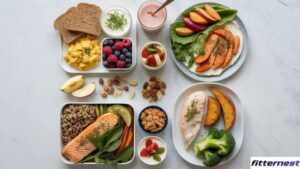
This weight loss meal plan 2,000 calories offers variety, flexibility, and balance.
Day 1
Breakfast: Oatmeal with berries, Greek yogurt, and nuts.
Morning Snack: Apple with peanut butter.
Lunch: Turkey sandwich on whole grain bread with salad.
Afternoon Snack: Cottage cheese with fruit.
Dinner: Grilled chicken, rice, and vegetables.
Day 2
Breakfast: Scrambled eggs with toast and avocado.
Morning Snack: Banana and almonds.
Lunch: Chicken salad with olive oil dressing.
Afternoon Snack: Greek yogurt.
Dinner: Baked salmon, quinoa, and broccoli.
Day 3
Breakfast: Smoothie with protein, oats, and berries.
Morning Snack: Orange and walnuts.
Lunch: Leftover salmon with rice and vegetables.
Afternoon Snack: Carrots with hummus.
Dinner: Turkey chili with beans.
Day 4
Breakfast: Avocado toast with eggs.
Morning Snack: Mixed berries.
Lunch: Vegetable stir-fry with tofu and rice.
Afternoon Snack: String cheese and crackers.
Dinner: Lean beef stir-fry with vegetables.
Day 5
Breakfast: Greek yogurt parfait with granola.
Morning Snack: Pear with peanut butter.
Lunch: Chicken wrap on whole wheat tortilla.
Afternoon Snack: Hard-boiled eggs.
Dinner: Homemade burger with baked fries.
Day 6
Breakfast: Pancakes made with oats and eggs.
Morning Snack: Protein bar.
Lunch: Tuna sandwich on whole grain bread.
Afternoon Snack: Cottage cheese with pineapple.
Dinner: Baked pasta with vegetables and turkey.
Day 7
Breakfast: Vegetable omelet with cheese.
Morning Snack: Apple slices.
Lunch: Chicken rice bowl with beans and salsa.
Afternoon Snack: Yogurt with berries.
Dinner: Roasted chicken, potatoes, and green beans.
This structure creates an easy 7-day meal plan for weight loss that feels realistic and satisfying.
Prep-Ahead Tips to Make This Meal Plan Easier
Preparation removes obstacles and supports consistency. This is essential for a calorie-controlled meal plan.
Batch cooking
Cook proteins, grains, and vegetables in bulk. Portion meals ahead of time.
Grocery shortcuts
Frozen vegetables, pre-cooked grains, and rotisserie chicken save time.
Storage tips
Use airtight containers. Label meals to stay organized.
How Much Weight Can You Lose on a 2,000-Calorie Meal Plan?
Results vary. Active individuals may lose 0.5-1 pound per week. People often ask, how much weight can you lose on 2,000 calories. The answer depends on activity, body size, and consistency.
This plan supports gradual fat loss while maintaining energy.
Weekly expectations
Expect slow and steady progress. Avoid comparing daily scale changes.
Factors affecting results
Sleep, stress, protein intake, and training volume matter.
Realistic timelines
Notice changes within weeks. Significant changes take months.
Tips for Healthy & Sustainable Weight Loss
Long-term success depends on habits, not extremes. This section supports balanced meals for sustainable weight loss.
Hunger management
Eat protein at every meal. Include fiber-rich foods.
Eating out strategies
Plan ahead. Watch portions. Balance heavier meals with lighter ones.
Plateaus & adjustments
Increase activity slightly or reduce portions if progress stalls.
Low-Calorie Alternatives & Related Meal Plans
Different calorie targets suit different goals.
- 1,200-calorie meal plan: Faster loss, higher restriction
- 1,500-calorie meal plan: Moderate deficit
- 1,800-calorie meal plan: Gradual loss
Each option fits different needs within a 2,000-calorie diet for weight loss framework.
Related Articles & Useful Resources
Helpful tools improve accuracy and confidence.
- Nutrition calculators: https://www.nutrition.gov
- Healthy recipes: https://www.eatright.org
These resources support a dietitian-approved 2,000-calorie meal plan and long-term success.
Conclusion
A 2,000-calorie meal plan proves that weight loss doesn’t require extreme restriction. With balanced meals, smart portions, and consistency, steady progress becomes realistic and sustainable.
FAQs
What should I eat for 2,000 calories a day?
Eat balanced meals. Include lean protein, whole grains, healthy fats, fruits, and vegetables. Spread these across three meals and two snacks.
How much weight can you lose eating 2,000 calories a day?
Weight loss depends on your calorie needs, but many people maintain weight or lose slowly if 2,000 calories creates a calorie deficit.
Is 2,000 calories enough for weight loss?
Yes, for many active adults.
Can I swap meals?
Yes, keep calories similar.
Is it good for men vs women?
Often better for men and active women.
Exercise compatibility
Works well with strength training and cardio.

I am a dedicated wellness and fitness writer promoting a healthy, balanced lifestyle. I provide easy fitness guidance, smart nutrition tips, and mindful living ideas to help readers develop lasting habits and reach their wellness goals.
View All Articles