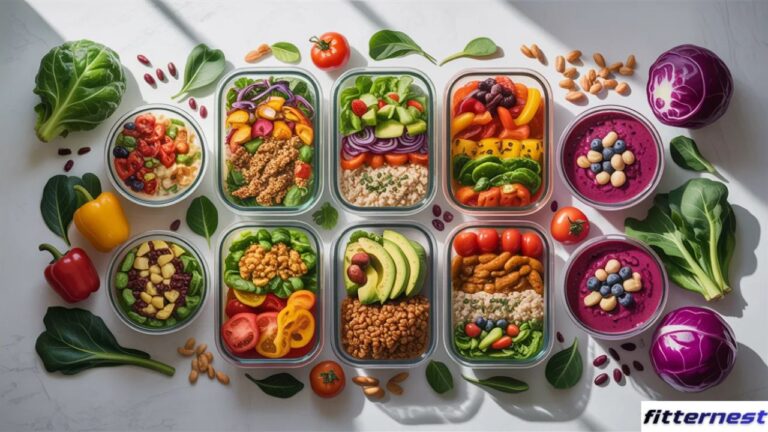
7-Day Vegan Weight Loss Meal Plan: Easy Way To Maintain

A 7-day vegan weight loss meal plan is designed to help you lose fat while fueling your body with nutrient-dense, plant-based foods. Unlike crash diets, this approach focuses on consistency, balanced nutrition, and realistic portions.
By emphasizing whole foods, fiber, and plant protein, a vegan diet naturally supports satiety and calorie control. When meals are planned ahead, it becomes easier to stay in a calorie deficit without feeling deprived.
This guide provides a complete week-long structure that fits seamlessly into a sustainable meal plan for weight loss, helping you build habits that lead to long-term success.
Tips for Successful Vegan Weight Loss
Successful vegan weight loss is not about eating less-it’s about eating smarter and staying consistent.
A well-structured approach helps you maintain a calorie deficit while meeting your nutritional needs and avoiding common mistakes that slow progress.
Focus on whole foods, balanced meals, and realistic habits that support long-term results rather than quick fixes.
Practical tips to follow:
- Prioritize high-protein vegan meals to stay full and preserve muscle.
- Build meals around whole foods plant-based ingredients.
- Control portions, especially grains, nuts, and oils.
- Plan ahead with vegan meal prep for fat loss to avoid impulsive eating.
- Limit processed vegan foods and added sugars.
- Stay hydrated and include fiber-rich vegetables at every meal.
- Track progress weekly and adjust calories gradually.
These habits make a vegan weight loss meal plan sustainable, effective, and easier to maintain over time.
How a 7-Day Vegan Weight Loss Meal Plan Works
Weight loss happens when you consistently burn more calories than you consume. On a vegan diet, this process becomes easier because whole foods plant-based meals are naturally lower in calorie density and higher in volume.
Key principles include:
- Creating a moderate calorie deficit.
- Prioritizing fiber-rich foods for fullness.
- Including adequate protein to preserve muscle.
- Avoiding highly processed vegan foods.
A structured plan removes decision fatigue and prevents overeating..
Benefits of a 7-Day Vegan Weight Loss Meal Plan
Following a weekly plan offers several advantages:
- Supports steady fat loss without extreme restriction.
- Improves digestion and gut health.
- Reduces cravings through balanced meals.
- Encourages mindful eating habits.
- Fits well into long-term healthy vegan meal planning.
Consistency over seven days builds momentum and confidence.
Nutrition Focus for Vegan Weight Loss
Protein Intake
High-protein vegan meals for weight loss are essential. Protein helps control hunger and supports lean muscle mass. Good sources include tofu, tempeh, lentils, chickpeas, and soy-based foods.
Carbohydrates
Whole grains, fruits, and vegetables provide energy and fiber. Portion control is key, not elimination.
Healthy Fats
Avocados, nuts, seeds, and olive oil support hormone balance when used in moderation.
7-Day Vegan Weight Loss Meal Plan
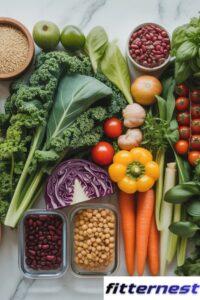
This 7-day vegan weight loss meal plan is designed to create a steady calorie deficit while providing balanced vegan nutrition for weight loss.
Each day includes fiber-rich carbohydrates, plant-based protein, and healthy fats to support fat loss without extreme restriction.
The meals are simple, practical, and built around whole foods plant-based ingredients to improve fullness, energy, and long-term adherence.
Day 1: High-Fiber Start for Appetite Control.
Breakfast: Oatmeal with chia seeds and berries.
This breakfast provides slow-digesting carbohydrates and fiber to keep you full through the morning. Chia seeds add healthy fats and plant protein, while berries support digestion and reduce sugar cravings.
Lunch: Lentil vegetable soup with side salad.
Lentils are an excellent protein source in a vegan diet for weight loss. Combined with vegetables, this meal delivers volume with minimal calories, helping maintain a calorie deficit on a vegan diet.
Dinner: Stir-fried tofu with mixed vegetables.
Tofu offers high-quality plant protein, while mixed vegetables increase fiber and micronutrient intake. This dinner supports muscle retention and satiety.
Snack: Apple with almond butter.
This snack balances fiber and healthy fats, preventing energy crashes and evening cravings.
Day 2: Balanced Energy and Plant Protein.
Breakfast: Smoothie with spinach, banana, and plant protein.
A smoothie is an efficient way to combine protein, fiber, and micronutrients. Adding plant protein supports high-protein vegan meals for weight loss.
Lunch: Chickpea quinoa bowl.
Chickpeas provide protein and fiber, while quinoa offers complex carbohydrates. This meal supports steady energy and fullness.
Dinner: Black bean lettuce wraps.
Using lettuce instead of tortillas lowers calorie intake while black beans supply protein and slow-digesting carbs.
Snack: Roasted chickpeas.
A crunchy, high-fiber snack that supports portion control and reduces processed food cravings.
Day 3: Muscle Support and Satiety Focus.
Breakfast: Whole-grain toast with avocado and tofu scramble.
This breakfast balances healthy fats, complex carbs, and protein to maintain satiety and energy levels.
Lunch: Vegetable curry with brown rice.
Brown rice offers sustained energy, while vegetables add fiber and nutrients essential for balanced vegan nutrition for weight loss.
Dinner: Baked tempeh with roasted vegetables.
Tempeh is a protein-dense option that supports muscle maintenance during fat loss.
Snack: Fresh fruit.
A light, nutrient-rich option that satisfies sweetness naturally.
Day 4: Digestive Support and Volume Eating.
Breakfast: Overnight oats with flaxseeds.
Overnight oats are rich in fiber and omega-3 fats, supporting digestion and fullness.
Lunch: Vegan chili.
Beans and vegetables create a high-volume, low-calorie meal ideal for vegan meal prep for fat loss.
Dinner: Zucchini noodles with lentil marinara.
Replacing pasta with zucchini noodles lowers calories while lentils add protein and fiber.
Snack: Carrot sticks with hummus.
This snack combines crunch, fiber, and healthy fats to curb hunger.
Day 5: Simple, Satisfying Plant-Based Meals.
Breakfast: Smoothie bowl.
A thicker smoothie bowl increases chewing and satiety while delivering vitamins and minerals.
Lunch: Bean and vegetable stir-fry.
This meal offers plant protein and fiber while remaining low in calorie density.
Dinner: Stuffed bell peppers.
Bell peppers provide volume and micronutrients, while the filling delivers balanced nutrition.
Snack: Handful of nuts.
Nuts provide healthy fats and help control appetite when portioned correctly.
Day 6: Steady Energy and Protein Balance.
Breakfast: Tofu scramble with vegetables.
A protein-rich breakfast that supports fullness and muscle retention.
Lunch: Lentil salad.
Lentils combined with vegetables create a filling, nutrient-dense meal.
Dinner: Sweet potato and black bean bowl.
Sweet potatoes provide slow-digesting carbs, while black beans support protein needs.
Snack: Soy yogurt.
A protein-rich snack that supports digestion and gut health.
Day 7: Light, Flexible, and Sustainable.
Breakfast: Oatmeal with fruit.
A simple, fiber-rich breakfast that supports digestion and calorie control.
Lunch: Veggie wrap with hummus.
This balanced meal offers fiber, protein, and healthy fats in controlled portions.
Dinner: Vegetable soup with whole-grain bread.
Soup promotes fullness with fewer calories, making it ideal for evening meals.
Snack: Fresh berries.
Low-calorie and antioxidant-rich berries help satisfy cravings without disrupting fat loss.
Why This 7-Day Vegan Meal Plan Works
- Encourages a natural calorie deficit on a vegan diet.
- Prioritizes whole foods plant-based meals.
- Includes high-protein vegan meals for weight loss.
- Supports vegan meal prep for fat loss.
- Avoids extreme restriction and promotes sustainability.
Vegan Meal Prep for Fat Loss
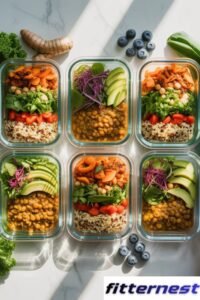
Meal prep ensures consistency:
- Cook grains and legumes in batches.
- Chop vegetables ahead of time.
- Prepare sauces separately.
This approach supports vegan meal prep for fat loss and reduces reliance on processed foods.
Common Mistakes to Avoid
- Skipping protein.
- Overeating refined carbs.
- Relying on vegan junk food.
- Undereating calories and stalling progress.
Avoiding these mistakes ensures sustainable results.
FAQs
- Can a vegan meal plan help with weight loss?
Yes, a well-planned vegan meal plan supports weight loss by promoting a calorie deficit with nutrient-dense foods. - Is protein enough on a vegan weight loss meal plan?
Yes, protein needs can be met through foods like lentils, tofu, beans, and tempeh. - Can beginners follow this 7-day vegan meal plan?
Yes, the plan is simple, balanced, and suitable for beginners. - Can I repeat this vegan weight loss meal plan weekly?
Yes, you can repeat or rotate meals while adjusting portions as needed. - What foods should I avoid on a vegan diet for weight loss?
Avoid processed vegan foods, excess oils, and added sugars for best results. - Can a 7-day vegan meal plan help with weight loss?
Yes, it helps establish structure and calorie control. - Is protein a concern on a vegan diet?
Only if meals are not planned properly. - Can I repeat this plan?
Yes, meals can be rotated weekly.
Final Takeaway
A 7-day vegan weight loss meal plan offers a practical, sustainable way to lose weight without sacrificing nutrition.
When aligned with a long-term meal plan for weight loss, it helps build habits that lead to lasting results.

I am a dedicated wellness and fitness writer promoting a healthy, balanced lifestyle. I provide easy fitness guidance, smart nutrition tips, and mindful living ideas to help readers develop lasting habits and reach their wellness goals.
View All Articles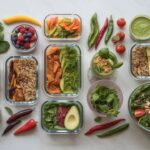

One thought on “7-Day Vegan Weight Loss Meal Plan: Easy Way To Maintain”