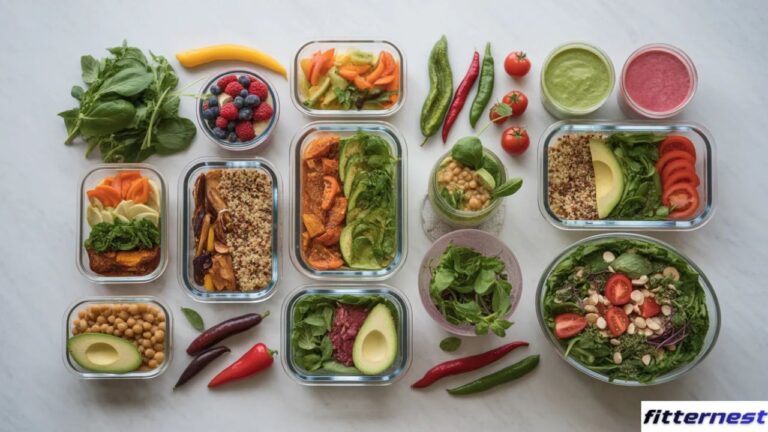
Vegan Weight Loss Meal Plan: Easy Way To Reduce Weight

A vegan weight loss meal plan focuses on eating nutrient-dense, plant-based foods while maintaining a calorie balance that supports fat loss.
Instead of extreme restriction, it emphasizes smart portions, whole ingredients, and sustainable habits.
A well-designed plant-based weight loss meal plan helps reduce calorie intake naturally because fruits, vegetables, legumes, and whole grains are high in fiber and low in calorie density.
When combined with proper protein intake, a vegan diet for weight loss can improve fullness, energy levels, and consistency.
By following a structured vegan low-calorie meal plan and prioritizing high-protein vegan meals for weight loss, you can achieve steady results while supporting overall health and long-term adherence.
Table of Contents
- Introduction:
- How Weight Loss Works on a Vegan Diet.
- Benefits of a Plant-Based Weight Loss Meal Plan.
- Key Nutrition Principles for Vegan Weight Loss.
- Foods to Focus On for Vegan Fat Loss.
- Sample Vegan Weight Loss Meal Plan Structure
- Vegan Meal Prep for Fat Loss.
- Common Mistakes to Avoid on a Vegan Weight Loss Diet.
- How to Customize This Meal Plan for Your Goals.
- FAQs.
- Final Takeaway.
How Weight Loss Works on a Vegan Diet
Weight loss on a vegan diet follows the same core principle as any other plan: creating a calorie deficit on a vegan diet while meeting nutritional needs.
Understanding Calories vs Food Quality
While calories determine weight loss, food quality determines how easy it is to stay consistent. Whole foods plant-based meals provide more volume for fewer calories, helping you eat more while still losing weight.
Role of Fiber, Protein, and Volume Eating
- Fiber slows digestion and improves satiety.
- Protein preserves lean muscle during fat loss.
- High-volume foods reduce hunger without excess calories.
This combination makes a vegan low-calorie meal plan highly effective when planned properly.
Benefits of a Plant-Based Weight Loss Meal Plan
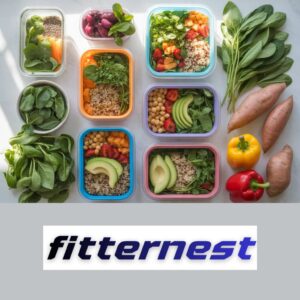
A plant-based weight loss meal plan offers unique advantages:
- Lower calorie density: Vegetables, legumes, and whole grains naturally contain fewer calories per serving.
- Improved digestion and fullness: High fiber intake supports gut health.
- Sustainable lifestyle: Easier to maintain long-term than restrictive diets.
These benefits make plant-based eating a practical option for steady, healthy weight loss.
Key Nutrition Principles for Vegan Weight Loss
Balanced Vegan Nutrition for Weight Loss
Successful weight loss requires balance. Even plant-based diets can stall progress if nutrition is ignored.
Focus on:
- Adequate protein.
- Controlled carbohydrate intake.
- Healthy fats in moderation.
Importance of High-Protein Vegan Meals for Weight Loss
Protein is essential for fat loss. It supports muscle retention, metabolism, and satiety. High-protein vegan meals for weight loss often include lentils, tofu, tempeh, beans, and soy-based products.
Foods to Focus On for Vegan Fat Loss
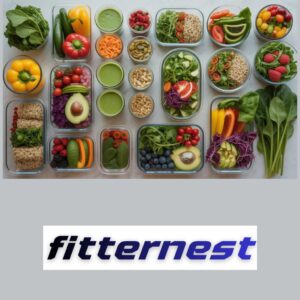
Whole Foods That Promote Satiety
Base your meals around minimally processed foods such as vegetables, fruits, legumes, and whole grains.
Vegan Foods That Help Burn Fat
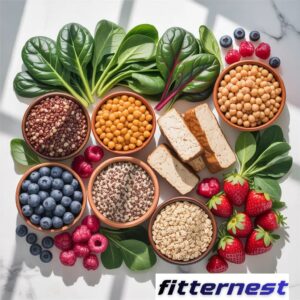
While no food burns fat directly, some foods support fat loss by improving fullness and metabolic efficiency:
- Leafy greens.
- Lentils and chickpeas.
- Tofu and tempeh.
- Berries.
- Whole grains.
Best Protein Sources for a Vegan Diet for Weight Loss
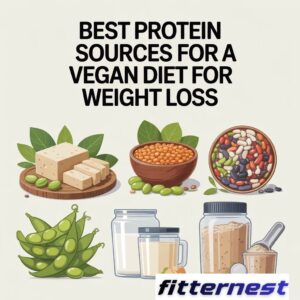
- Tofu and tempeh.
- Lentils and beans.
- Edamame.
- Soy yogurt.
- Plant-based protein powders (used strategically).
Sample Vegan Weight Loss Meal Plan Structure
A successful vegan weight loss meal plan follows a simple structure:
Daily Meal Framework
- Breakfast: High-fiber + protein.
- Lunch: Balanced carbs, protein, and vegetables.
- Dinner: Light but filling plant-based meal.
- Snacks: Protein or fiber-focused options.
Building a Vegan Low-Calorie Meal Plan
Focus on portion control, not elimination. Use vegetables to add volume and protein to stabilize hunger.
Vegan Meal Prep for Fat Loss
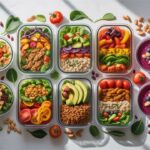
Vegan meal prep for fat loss improves consistency and reduces impulsive eating.
Weekly Planning Strategies
- Batch-cook grains and legumes.
- Pre-cut vegetables.
- Prepare protein sources in advance.
Why Healthy Vegan Meal Planning Works
Planning meals ahead helps control calories, maintain balance, and avoid processed vegan foods that stall progress.
Common Mistakes to Avoid on a Vegan Weight Loss Diet
Many people struggle not because vegan diets fail, but because of planning errors.
Common mistakes include:
- Overeating processed vegan foods.
- Ignoring protein intake.
- Undereating calories, leading to plateaus.
- Relying heavily on refined carbs.
Avoiding these mistakes improves long-term results.
How to Customize This Meal Plan for Your Goals
Adjusting Calories
Weight loss is personal. Adjust portions based on body weight, gender, and activity level.
Scaling for Activity
Active individuals may need more carbohydrates and protein to support recovery.
Transitioning to Maintenance
Once goals are reached, slowly increase calories while maintaining food quality to prevent rebound weight gain.
FAQs
Can a vegan diet really help with weight loss?
Yes, when structured correctly, vegan diets can support sustainable fat loss.
How much protein do you need on a vegan weight loss meal plan?
Most people benefit from 0.6-0.8 grams of protein per pound of body weight.
Is vegan meal prep effective for fat loss?
Absolutely. Meal prep improves consistency and calorie control.
How can a vegan lose weight fast?
By focusing on whole foods, controlling portions, and maintaining a calorie deficit safely.
What is the 30 30 30 rule for vegans?
It typically refers to balanced meals with protein, fiber-rich carbs, and healthy fats.
How to lose 20 pounds on a vegan diet?
By maintaining consistency, prioritizing protein, and avoiding processed foods.
What do vegans eat every day for weight loss?
Vegetables, legumes, fruits, whole grains, and plant-based protein sources.
What are common mistakes on a vegan diet?
Low protein intake and overconsumption of refined carbs.
What are some vegan junk foods?
Vegan cookies, fries, sugary cereals, and heavily processed meat substitutes.
Final Takeaway
A well-structured vegan weight loss meal plan is not about restriction-it’s about balance, consistency, and smart food choices.
By focusing on whole foods, maintaining protein intake, and planning meals ahead, you can achieve sustainable fat loss while supporting overall health.

I am a dedicated wellness and fitness writer promoting a healthy, balanced lifestyle. I provide easy fitness guidance, smart nutrition tips, and mindful living ideas to help readers develop lasting habits and reach their wellness goals.
View All Articles
2 thoughts on “Vegan Weight Loss Meal Plan: Easy Way To Reduce Weight”