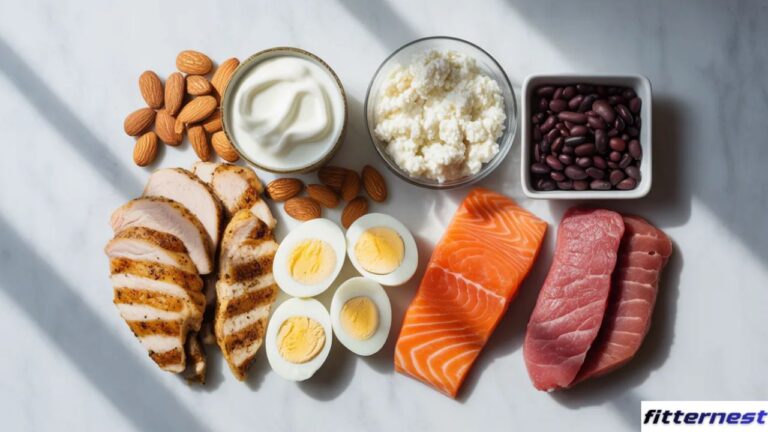
90 Grams of Protein Diet: Healthy Way to Eat Better

Eating 90 grams of protein per day can be a simple yet powerful way to improve your overall health and nutrition. Whether your goal is muscle health, weight management, or boosting daily energy, a high protein diet plan makes it achievable without complicated meals or supplements. By including a variety of protein-rich foods such as eggs, chicken, lentils, and Greek yogurt, you can meet your daily protein needs while enjoying balanced and satisfying meals. This approach supports metabolism, maintains lean muscle mass, and fits easily into a busy lifestyle, making daily protein intake both practical and sustainable.
Table of Contents
- What Is a 90 Grams of Protein Diet?
- Why 90 Grams of Protein Matters for Your Health?
- How to Eat 90 Grams of Protein a Day?
- High Protein Foods to Include.
- Meal Planning Tips for Success.
- Common Mistakes to Avoid.
- FAQs.
- Conclusion.
What Is a 90 Grams of Protein Diet?
A 90 grams of protein diet is a practical, structured way to ensure your body gets enough protein each day to support muscle health, energy levels, and overall wellness. Protein is a vital macronutrient that the body cannot store long-term, which is why daily intake matters.
For most adults, consuming 90 grams of protein per day fits within recommended dietary guidelines and provides enough to support active lifestyles, muscle repair, and metabolic function. Unlike high-protein extremes that can strain the kidneys or require supplements, a 90-gram target is achievable with natural, whole foods.
How It Works
A typical high protein diet meal plan structured around 90 grams of protein includes:
- Breakfast: Eggs, Greek yogurt, or protein-rich oatmeal
- Lunch: Lean meats, beans, legumes, or seafood
- Dinner: Chicken, fish, tofu, or protein-packed vegetables
- Snacks: Nuts, seeds, or dairy-based protein
By spreading protein throughout the day, your body absorbs and utilizes it effectively. This approach prevents spikes in appetite, stabilizes blood sugar, and supports sustained energy.
Why 90 Grams of Protein Matters for Your Health
Meeting 90 grams of protein daily has multiple benefits for physical and mental well-being.
1. Supports Muscle Growth and Maintenance
Protein is the building block of muscle tissue. Eating 90 grams per day helps maintain lean muscle mass, especially for adults engaged in resistance training or physical activity. Maintaining muscle mass is crucial for metabolism, posture, and long-term strength.
Example: A 30-minute strength training session causes micro-tears in muscle fibers. Protein intake repairs these fibers, improving muscle tone and growth.
2. Enhances Weight Management
Protein increases satiety, helping you feel fuller for longer. When following a high protein diet, you naturally reduce cravings for high-calorie snacks, which supports weight management and fat loss.
Scientific Insight: Research shows that protein can increase thermogenesis-the energy the body uses to digest food-boosting calorie burn slightly throughout the day.
3. Boosts Energy and Cognitive Function
A protein-rich diet stabilizes blood sugar levels, preventing energy crashes. Amino acids from protein also play a critical role in neurotransmitter production, improving focus, alertness, and mood.
Example: A breakfast of 3 eggs and Greek yogurt provides sustained energy, unlike a high-carb breakfast that may spike then drop blood sugar.
4. Supports Bone Health
Protein is essential for bone density and strength. Studies indicate that adults consuming sufficient protein have a lower risk of osteoporosis and fractures, particularly when combined with calcium intake.
5. Aligns With US Dietary Guidelines
For adults weighing 150–180 lbs, 90 grams of protein meets the 0.8–1.2 grams per kg body weight recommendation for moderate activity levels. It’s a safe, sustainable intake for daily health without overtaxing the kidneys or liver.
How to Eat 90 Grams of Protein a Day
Achieving 90 grams of protein doesn’t require supplements-just smart planning. Here’s how to structure your meals for success.
Protein Distribution Throughout the Day
| Meal | Protein (grams) | Example |
| Breakfast | 25gm | 3 eggs+1 cup Greek yogurt |
| Lunch | 25gm | 4 oz grilled chicken + ½ cup lentils |
| Snack | 10gm | 1 oz almonds + 1 boiled egg |
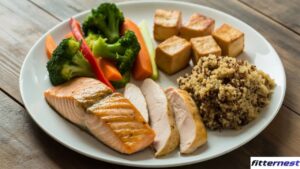
| Dinner | 30gm | 4 oz salmon + 1 cup quinoa + vegetables |
This breakdown ensures protein is evenly distributed, maximizing absorption and muscle repair.
Step-by-Step Tips
- Include Protein in Every Meal:
Even small additions like eggs, nuts, or dairy help reach your target. - Combine Plant and Animal Proteins:
Beans, lentils, and quinoa complement amino acids from animal proteins. - Smart Snacking:
Choose Greek yogurt, cottage cheese, or protein bars with natural ingredients. - Meal Prep for Consistency:
Batch-cook chicken, boiled eggs, or roasted legumes for quick access to protein-rich meals.
High Protein Foods to Include
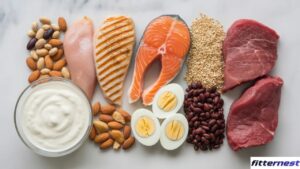
To make hitting 90 grams of protein simple, focus on nutrient-dense, high-protein foods:
- Eggs: 6gm per egg.
- Chicken Breast: 25gm per 4 oz.
- Greek Yogurt: 20gm per cup.
- Salmon: 22gm per 4 oz.
- Lentils: 18gm per cup cooked.
- Quinoa: 8gm per cup cooked.
- Almonds: 6gm per oz.
- Cottage Cheese: 14gm per ½ cup.
Tip: Mixing these foods in creative ways makes your meals flavorful and sustainable.
Meal Planning Tips for Success
1. Start With Breakfast
- Omelets, smoothies, or Greek yogurt bowls are excellent morning protein boosters.

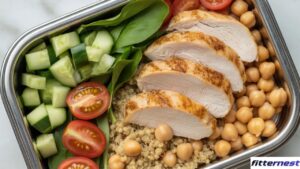
2. Pack Lunches
- Include a lean protein source plus legumes or whole grains.
- Example: Chicken quinoa salad with chickpeas.
3. Smart Dinner Choices
- Prioritize fish, poultry, or tofu with veggies and a healthy grain.
4. Snacks That Add Protein
- Trail mix, roasted chickpeas, or cottage cheese cups.

5. Track Your Intake
- Use apps or journals to monitor daily protein consumption.
Common Mistakes to Avoid
- Skipping Breakfast: Reduces daily protein intake significantly.
- Relying Solely on Supplements: Whole foods provide micronutrients and fiber.
- Ignoring Variety: Combining plant and animal proteins ensures complete amino acids.
- Overeating Fats or Carbs: Focus on balance to support overall health.
FAQs
- How can I get 90 grams of protein a day?
Spread protein across meals: eggs for breakfast, chicken or fish for lunch/dinner, and snacks like nuts or yogurt. - How much protein is in 2 eggs a day?
Two large eggs provide 12 grams. Pair with other protein sources to reach 90 grams. - Can I build muscle with 90gm of protein?
Yes. For moderate activity levels, 90 grams supports muscle repair and growth, especially with resistance training. - How many eggs make 100gm of protein?
Approximately 8 large eggs. Pair with other sources for balanced meals. - How much protein per kg?
Adults generally need 0.8-1.5 grams per kg of body weight depending on activity and goals.
Conclusion
A 90 grams of protein diet is practical, sustainable, and effective for muscle health, weight management, energy, and overall wellness. By planning meals smartly, combining plant and animal proteins, and tracking intake, adults can meet this target without stress.
Following this plan as part of a high protein diet meal plan ensures balanced nutrition and supports a healthy lifestyle in the USA. Start today, and enjoy stronger muscles, better energy, and improved health.

I am a dedicated wellness and fitness writer promoting a healthy, balanced lifestyle. I provide easy fitness guidance, smart nutrition tips, and mindful living ideas to help readers develop lasting habits and reach their wellness goals.
View All Articles