7-day 1,800-calorie meal plan for weight loss: 12 Simple ways

Finding the right balance between eating well and losing weight can feel overwhelming. A 1,800-calorie meal plan offers a practical middle ground that supports fat loss without constant hunger.
Designed for real life, this approach focuses on whole foods, smart portions, and meals you actually enjoy. A 7-day 1,800-calorie meal plan helps you stay consistent while still feeling flexible.
Whether the goal is steady weight loss or better daily energy, a healthy 1,800-calorie meal plan makes planning simple.
By following a balanced 1,800-calorie diet, you create habits that last longer than quick fixes. This weight loss meal plan 1,800 calories fits busy schedules and supports sustainable results without extreme restriction.
What Is a 1,800-Calorie Meal Plan?

A 1,800 calories a day meal plan sets a daily energy target that supports fat loss without draining energy. It focuses on whole foods, steady portions, and simple meals. Think of it as a guardrail rather than a cage. Many people ask what a 1,800-calorie meal plan looks like, and the answer is balance, not deprivation.
This approach works because it creates a gentle calorie deficit. That deficit encourages fat loss while keeping hunger manageable.
A balanced 1,800-calorie diet also supports muscle, mood, and metabolism. It’s practical for workdays, weekends, and family meals.
Who it’s for (men, women, active adults)
This plan suits men, women, and active adults who want structure without extremes. A 1,800-calorie meal plan for men often fits those with moderate activity. Women with higher activity levels also do well here.
Many wonder if men can lose weight on 1,800 calories. Yes, especially with movement and protein.
How 1,800 calories supports weight loss
Weight loss depends on consistency. A weight loss meal plan 1,800 calories supports that by fueling workouts and daily life. Protein keeps you full. Fiber steadies blood sugar.
Healthy fats support hormones. Together, they form balanced meals for sustainable weight loss.
When it’s better than 1,500 or 2,000 calories.
Lower plans often spike hunger. Higher plans may slow results. For many, 1,800 hits the sweet spot. It’s often the best calorie intake for steady weight loss when life is busy and hunger matters.
Who Should Follow an 1,800-Calorie Meal Plan?
This plan fits people aiming for gradual fat loss. It also helps those moving from weight loss to maintenance. A calorie-controlled meal plan like this supports habits that last. Many ask how many calories do I need to lose weight. The answer depends on size and activity, but 1,800 often works.
It also suits people who enjoy variety. You won’t eat the same meal daily. You’ll follow a daily 1,800-calorie menu that feels normal and flexible.
Weight-loss goals
If the goal is slow, steady fat loss, this plan shines. Expect progress without burnout. That’s why it’s often labeled a dietitian-approved 1,800-calorie meal plan.
Maintenance vs fat loss
At 1,800 calories, some people lose weight. Others maintain. Adjust portions as needed. Listen to hunger cues. This flexibility keeps results stable.
Activity level considerations
Light to moderate activity pairs well here. Walking, strength training, and casual sports fit nicely. Fuel workouts with carbs and recover with protein.
When to avoid it (medical disclaimers)
Certain conditions require guidance. Pregnancy, eating disorders, or medical diets need professional care. Safety always comes first.
Before You Begin This 7-Day Meal Plan
Preparation sets the tone. Before starting the 7-day 1,800-calorie meal plan, review habits. Check schedule, grocery access, and cooking time. Small planning steps prevent stress later.
This phase answers how to plan meals for weight loss in real life. It’s about fitting food into your day, not reshaping your day around food.
Calorie needs & personalization
Use body size, age, and activity to tweak portions. Taller or more active people may add snacks. Smaller frames may reduce portions slightly.
Hydration & portion awareness
Drink water often. Hydration supports digestion and appetite control. Use hand-based portions if scales feel tedious.
Food swaps and dietary preferences
Swap proteins or grains freely. Choose foods you enjoy. Enjoyment fuels consistency.
Important Nutrition Guidelines for This Meal Plan
Nutrition quality matters as much as calories. A healthy 1,800-calorie meal plan emphasizes whole foods. Ultra-processed items stay limited. This keeps energy steady.
Each meal balances protein, carbs, and fats. That balance reduces cravings and supports focus.
Protein, carbs, and healthy fats balance
Protein builds and preserves muscle. Carbs fuel movement. Fats support hormones. Together, they form healthy meals under 1,800 calories a day that satisfy.
Fiber intake
Fiber slows digestion. It feeds gut bacteria. Aim for vegetables, fruits, beans, and whole grains.
Sodium & added sugar limits
Too much sodium causes bloating. Added sugar spikes hunger. Read labels carefully. Choose simple ingredients.
Complete 7-Day 1,800-Calorie Meal Plan Overview
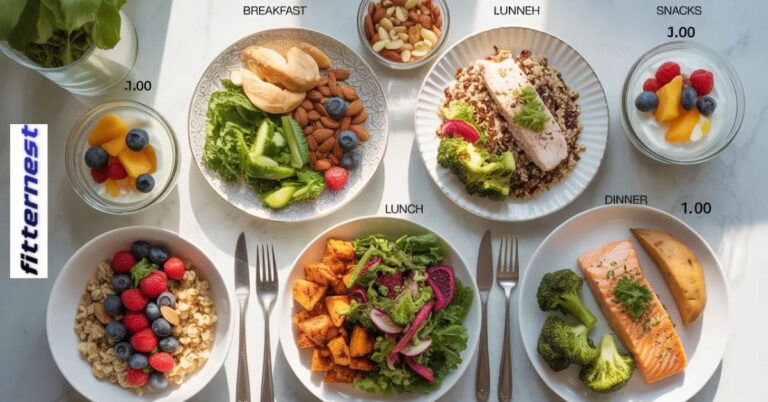
This plan spreads calories across meals and snacks. That rhythm prevents energy crashes. It answers what a 1,800-calorie meal plan looks like in practice.
Below is a simple structure many people find easy to follow.
| Meal | Calories (Approx.) |
| Breakfast | 400 |
| Snack | 150 |
| Lunch | 450 |
| Snack | 150 |
| Dinner | 650 |
Daily calorie breakdown
Calories stay consistent daily. Consistency improves adherence and results.
Meals + snacks structure
Snacks prevent overeating later. Meals stay satisfying and balanced.
Prep time expectations
Most meals take 20-30 minutes. Batch cooking saves time on weekdays.
Day 1 to Day 7 – 1,800-Calorie Meal Plan
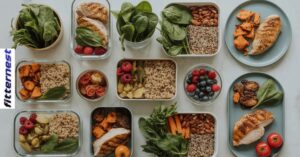
Each day follows the same rhythm. Variety keeps things interesting. Portions keep calories controlled.
Day 1
Breakfast: Oatmeal with berries and Greek yogurt.
Morning Snack: Apple with peanut butter.
Lunch: Turkey sandwich on whole grain bread.
Afternoon Snack: Cottage cheese.
Dinner: Grilled chicken, rice, and mixed vegetables.
Day 2
Breakfast: Scrambled eggs with whole grain toast and spinach.
Morning Snack: Banana with almonds.
Lunch: Grilled chicken salad with olive oil dressing.
Afternoon Snack: Greek yogurt with honey.
Dinner: Baked salmon, quinoa, and roasted broccoli.
Day 3
Breakfast: Smoothie with protein powder, banana, and oats.
Morning Snack: Orange slices and walnuts.
Lunch: Leftover salmon with brown rice and vegetables.
Afternoon Snack: Carrot sticks with hummus.
Dinner: Turkey chili with beans and side salad.
Day 4
Breakfast: Avocado toast with a boiled egg.
Morning Snack: Mixed berries.
Lunch: Stir-fried vegetables with tofu and rice.
Afternoon Snack: String cheese and whole grain crackers.
Dinner: Lean beef stir-fry with peppers and onions.
Day 5
Breakfast: Greek yogurt parfait with granola and fruit.
Morning Snack: Pear with peanut butter.
Lunch: Chicken wrap on whole wheat tortilla.
Afternoon Snack: Hard-boiled eggs.
Dinner: Homemade burger on a whole grain bun with baked fries.
Day 6
Breakfast: Pancakes made with oats and eggs, topped with fruit.
Morning Snack: Protein bar.
Lunch: Tuna salad sandwich on whole grain bread.
Afternoon Snack: Cottage cheese with pineapple.
Dinner: Baked pasta with vegetables and lean ground turkey.
Day 7
Breakfast: Omelet with vegetables and cheese.
Morning Snack: Apple slices.
Lunch: Grilled chicken bowl with rice, beans, and salsa.
Afternoon Snack: Yogurt with berries.
Dinner: Family-style roasted chicken, potatoes, and green beans.
This structure forms an easy 7-day meal plan for weight loss that feels livable.
Prep-Ahead Tips to Make This Meal Plan Easier
Preparation removes friction. When food is ready, choices improve. This supports a calorie-controlled meal plan long term.
Batch cooking
Cook proteins and grains in bulk. Store portions for quick meals.
Grocery shortcuts
Use frozen vegetables and pre-washed greens. They save time and nutrients.
Storage tips
Glass containers keep food fresh. Label meals by day.
How Much Weight Can You Lose on an 1,800-Calorie Meal Plan?
Results vary. Many lose 0.5-1 pound weekly. That pace protects muscle and metabolism. People often ask how much weight you can lose on 1,800 calories. Slow loss lasts longer.
This plan avoids extremes. It supports energy and workouts. That consistency drives progress.
Weekly expectations
Expect gradual change. Track trends, not daily scale swings.
Factors affecting results
Sleep, stress, and movement matter. So does protein intake.
Realistic timelines
Notice changes in weeks. Major changes take months. Patience pays off.
Tips for Healthy & Sustainable Weight Loss
Weight loss sticks when habits feel normal. This section supports balanced meals for sustainable weight loss without obsession.
Hunger management
Eat protein at every meal. Add volume with vegetables. Hunger fades.
Eating out strategies
Check menus early. Split entrees. Ask for sauces on the side.
Plateaus & adjustments
Increase steps. Adjust portions slightly. Stay consistent.
Low-Calorie Alternatives & Related Meal Plans
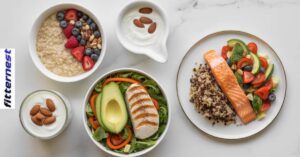
Some prefer different targets. Options exist.
- 1,500-calorie meal plan: Faster loss, more hunger
- 2,000-calorie meal plan: Maintenance or high activity
- High-protein variations: Muscle-focused results
Each option serves different needs within a 1,800-calorie diet for weight loss framework.
Related Articles & Useful Resources
Explore recipes to keep meals exciting. Use calculators to personalize calories. Follow guides built by professionals.
Helpful tools include:
- Nutrition calculators: https://www.nutrition.gov
- Healthy recipes: https://www.eatright.org
These resources support a dietitian-approved 1,800-calorie meal plan and long-term success.
Conclusion
A 7-day 1,800-calorie meal plan works because it respects real life. It fuels your day, curbs hunger, and builds habits that last. Stick with it. Adjust gently. Let progress compound.
FAQs
Is 1,800 calories enough for weight loss?
For many, yes. Especially with activity.
Can I swap meals?
Yes. Keep calories similar.
Is it good for men vs women?
It fits many. Adjust portions as needed.
Exercise compatibility?
Strength training and walking pair well.

I am a dedicated wellness and fitness writer promoting a healthy, balanced lifestyle. I provide easy fitness guidance, smart nutrition tips, and mindful living ideas to help readers develop lasting habits and reach their wellness goals.
View All Articles