How to Eat 170 Grams of Protein Daily: Real Food Guide

Eating 170 grams of protein a day may sound challenging, but with the right strategy, it becomes realistic and sustainable.
A well-structured high protein diet meal plan helps support muscle growth, fat loss, and long-term metabolic health using real, everyday foods. Many people wonder how much protein should I eat daily or what does 170 grams of protein look like in actual meals.
This guide explains how to eat 170 grams of protein a day without extreme dieting or reliance on supplements. By focusing on balance, portion control, and real food protein sources, you can confidently hit your protein goals while enjoying satisfying, nutrient-dense meals.
Table of Contents
- Introduction
- What Is a 170 Grams of Protein Diet?
- Why Eating 170 Grams of Protein Matters?
- How Much Protein Should I Eat Daily?
- What Does 170 Grams of Protein Look Like?
- How to Eat 170 Grams of Protein a Day (Step-by-Step).
- Sample 170 Grams of Protein Meal Plan (1 Day).
- Is 1600 Calories Enough to Lose Weight With High Protein?
- Best Protein-Rich Foods to Hit 170 Grams.
- Common Mistakes to Avoid.
- FAQs.
- Conclusion.
What Is a 170 Grams of Protein Diet?
A 170‑gram protein diet is a structured approach where protein intake is intentionally prioritized across all meals and snacks. Instead of loading protein into one meal, intake is evenly distributed to improve digestion, muscle protein synthesis, and satiety.
For most active adults, this level of protein supports:
- Muscle maintenance and growth.
- Better appetite control.
- Higher calorie burn through digestion.
- Improved recovery after workouts.
This approach fits naturally within a high protein meal plan when meals are built around lean protein sources and supported by complex carbs and healthy fats.
Why Eating 170 Grams of Protein Matters?
Supports Muscle Growth and Strength
Protein supplies amino acids that repair and build muscle tissue. A higher daily protein intake for muscle gain ensures your body always has what it needs to recover and grow, especially if you train regularly.
Helps With Fat Loss
Protein has a strong thermic effect, meaning your body burns more calories digesting it. It also helps preserve lean mass during calorie deficits, making protein rich foods for fat loss a key strategy.
Improves Fullness and Energy
High‑protein meals reduce hunger hormones and slow digestion. This makes it easier to stay consistent with your plan and avoid overeating.
How Much Protein Should I Eat Daily?
A common question is how much protein should I eat per day. While needs vary, research generally suggests:
- Sedentary adults: 0.8 g per kg of body weight.
- Active individuals: 1.6–2.2 g per kg.
- Muscle gain or fat loss: Higher end of the range.
For many active adults, 170 grams of protein fits perfectly within these guidelines, especially for those weighing 160–200 lbs.
What Does 170 Grams of Protein Look Like?
Understanding what does 170 grams of protein look like makes the goal feel realistic. Here’s a simple real‑food breakdown:
- Breakfast: 40–45 g protein.
- Lunch: 40–45 g protein.
- Dinner: 45–50 g protein.
- Snacks: 30–40 g protein.
Spread across the day, this feels far less intimidating than trying to hit the number all at once.
How to Eat 170 Grams of Protein a Day (Step‑by‑Step)
Step 1: Build Every Meal Around Protein
Start meals with a clear protein anchor:
- Eggs, egg whites.
- Chicken breast, turkey.
- Fish like salmon or tuna.
- Greek yogurt, cottage cheese.
- Lean beef or tofu.
Step 2: Use Real Food Protein Sources
Relying on real food protein sources improves nutrient density and digestion. Protein powders can help, but whole foods should be the foundation.
Step 3: Plan Protein‑Focused Snacks
High‑protein snacks keep intake consistent:
- Greek yogurt with berries.
- Cottage cheese.
- Protein smoothies.
- Boiled eggs.
Step 4: Track Portions, Not Just Calories.
Knowing protein content matters more than obsessing over calories alone-especially when asking, is 1600 calories enough to lose weight. Protein intake should stay high even in a calorie deficit.
Sample 170 Grams of Protein Meal Plan (1 Day)
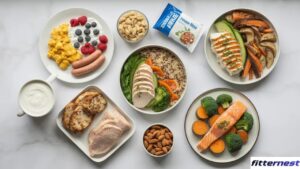
Breakfast (45 g protein)
- 3 whole eggs + 3 egg whites.
- Oats with Greek yogurt.
Lunch (45 g protein)
- Grilled chicken breast.
- Brown rice.
- Steamed vegetables.
Snack (35 g protein)
- Protein smoothie with milk and peanut butter.
Dinner (45 g protein)
- Salmon or lean beef.
- Sweet potato.
- Salad with olive oil.
Is 1600 Calories Enough to Lose Weight With High Protein?
For many people, 1600 calories can support weight loss, but results depend on body size, activity level, and protein intake. A high‑protein approach helps by:
- Preserving lean muscle
- Reducing hunger
- Improving adherence
If calories are low, protein should remain high to protect metabolism.
Best Protein‑Rich Foods to Hit 170 Grams
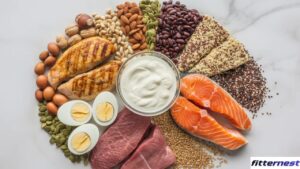
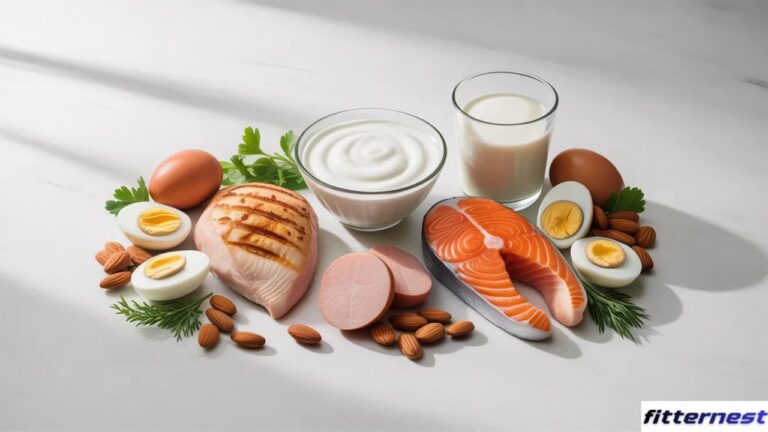
Some of the most efficient options include:
- Chicken breast.
- Turkey.
- Eggs and egg whites.
- Greek yogurt.
- Cottage cheese.
- Fish and seafood.
- Lean beef.
- Legumes and tofu.
Common Mistakes to Avoid
- Skipping protein at breakfast.
- Relying only on supplements.
- Ignoring portion sizes.
- Cutting calories too aggressively.
Avoiding these mistakes makes how to get 170 grams of protein a day far more sustainable.
FAQs
How much protein is in 2 eggs a day?
Two large eggs provide about 12–14 grams of protein.
How to get 150g of protein a day?
Spread protein evenly across meals using eggs, lean meats, dairy, and legumes.
How much protein per day to lose weight?
Most people benefit from 1.6–2.2 g per kg of body weight during fat loss.
How much is 170 grams of protein in calories?
Protein contains 4 calories per gram, so 170 grams equals about 680 calories.
What should I eat to get 170 grams of protein?
Focus on lean meats, eggs, dairy, fish, and high‑protein plant foods.
What food is usually highest in protein?
Lean meats like chicken breast and tuna are among the highest per calorie.
Conclusion
Hitting 170 grams of protein daily is not about extremes, it’s about structure, smart food choices, and consistency.
With a well‑planned high protein diet meal plan, you can fuel muscle growth, support fat loss, and enjoy meals that actually keep you full.
By focusing on real foods and balanced meals, this approach becomes sustainable long term-not just another short‑term diet.

I am a dedicated wellness and fitness writer promoting a healthy, balanced lifestyle. I provide easy fitness guidance, smart nutrition tips, and mindful living ideas to help readers develop lasting habits and reach their wellness goals.
View All Articles