1500 Calorie Meal Plan with Simple Meals & Proven Results

A 1500 calorie meal plan is one of the most effective and sustainable approaches to healthy weight loss-especially when it’s built around balanced nutrition and high-protein foods. Instead of extreme calorie restriction, this plan focuses on portion control, steady energy, and long-term results.
When designed correctly, a 1500 calorie diet helps you lose fat while preserving lean muscle, supporting metabolism, and reducing cravings. This guide breaks down what a 1500 calorie meal plan is, why it works, and how to follow it successfully, all while aligning with a high protein diet meal plan framework.
Table of Contents
- What Is a 1500 Calorie Meal Plan?
- Why a 1500 Calorie Meal Plan Works for Weight Loss?
- Who Should Follow a 1500 Calorie Meal Plan?
- High Protein Approach: Why Protein Matters.
- Foods to Eat on a 1,500-Calorie Diet.
- Sample 1500 Calorie Meal Plan (High Protein).
- 1500 Calorie Meal Plan for Women.
- What to Avoid on a 1500 Calorie Diet.
- Common Mistakes That Slow Progress.
- FAQs.
- Takeaway.
What Is a 1500 Calorie Meal Plan?
A 1500 calorie meal plan is a structured daily eating plan that limits total energy intake to approximately 1,500 calories per day. It is commonly used for weight loss, fat reduction, and metabolic health-especially for women and moderately active adults.
Rather than focusing on restriction alone, an effective plan emphasizes:
- High-quality protein sources.
- Complex carbohydrates.
- Healthy fats.
- Fiber-rich vegetables and fruits.
When balanced correctly, this approach supports healthy weight loss meals without leaving you feeling hungry or deprived.
Why a 1500 Calorie Meal Plan Works for Weight Loss
Creates a Sustainable Calorie Deficit
Weight loss occurs when you burn more calories than you consume. For many adults, 1,500 calories per day creates a moderate deficit-enough to promote fat loss without slowing metabolism.
Supports Muscle Retention
Pairing a calorie-controlled plan with high protein intake helps preserve lean muscle mass, which is critical for long-term fat loss and metabolic health.
Encourages Portion Control
A portion-controlled meal plan naturally teaches better eating habits, helping you recognize proper serving sizes without constant tracking.
Improves Energy and Consistency
Unlike crash diets, a balanced calorie diet maintains steady blood sugar levels, reducing fatigue and binge-eating cycles.
Who Should Follow a 1500 Calorie Meal Plan?
This plan is commonly suitable for:
- Women aiming for steady weight loss.
- Sedentary to moderately active adults.
- Individuals transitioning from higher-calorie diets.
- People following a fat loss meal plan with structured meals.
However, highly active individuals, athletes, or people with medical conditions may require personalized calorie targets.
High Protein Approach: Why Protein Matters
Benefits of a High Protein 1500 Calorie Meal Plan
- Increases satiety and fullness.
- Preserves muscle during weight loss.
- Supports metabolism.
- Reduces late-night cravings.
Most effective plans aim for 25-35% of calories from protein, spread evenly across meals.
Foods to Eat on a 1,500-Calorie Diet
Choosing the right foods makes this plan sustainable and enjoyable.
Protein Sources
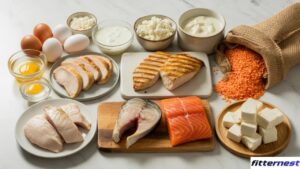
- Eggs and egg whites.
- Chicken breast and turkey.
- Fish (salmon, tuna, cod).
- Greek yogurt and cottage cheese.
- Plant proteins like lentils and tofu.
Carbohydrates
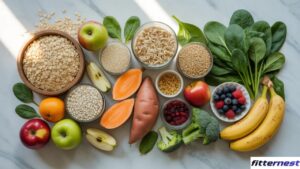
- Oats and whole grains.
- Brown rice and quinoa.
- Sweet potatoes.
- Fruits and vegetables.
Healthy Fats
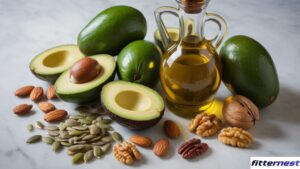
- Avocados.
- Olive oil.
- Nuts and seeds.
These foods support a clean eating meal idea approach while keeping calories controlled.
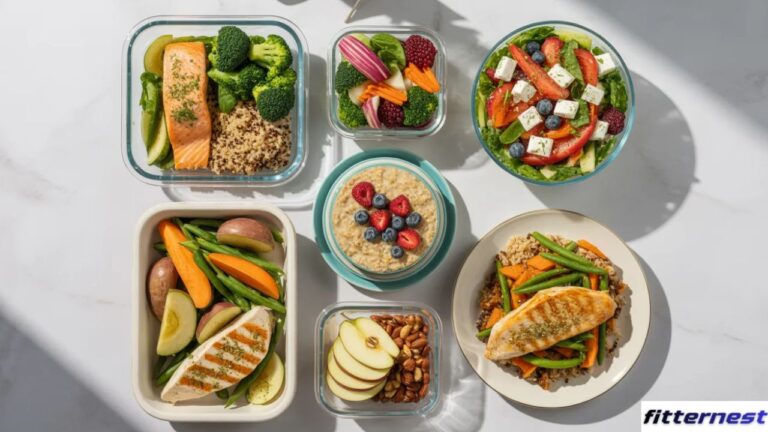
Sample 1500 Calorie Meal Plan (High Protein)
Breakfast (350 Calories)
- Scrambled eggs (2 eggs + egg whites).
- Whole-grain toast.
- Fresh berries.
Lunch (400 Calories)
- Grilled chicken breast.
- Quinoa or brown rice.
- Mixed vegetables.
Snack (200 Calories)
- Greek yogurt with seeds.
- Or protein smoothie.
Dinner (450–500 Calories)
- Baked salmon or tofu.
- Roasted vegetables.
- Small portion of complex carbs.
This structure aligns perfectly with a daily calorie intake guide and keeps protein evenly distributed.
1500 Calorie Meal Plan for Women
Women often respond well to a 1500 calorie intake due to hormonal and metabolic factors. A weight loss meal plan for women should emphasize:
- Adequate protein.
- Iron-rich foods.
- Healthy fats for hormonal balance.
Consistency matters more than perfection. Sustainable habits drive lasting results.
What to Avoid on a 1500 Calorie Diet
To maximize results, limit:
- Sugary drinks.
- Ultra-processed foods.
- Refined carbohydrates.
- Frequent alcohol consumption.
Avoiding these helps maintain a sustainable weight loss diet rather than temporary results.
Common Mistakes That Slow Progress
- Skipping meals.
- Eating too little protein.
- Relying on packaged “diet” foods.
- Ignoring hydration.
A successful 1500 calories a day meal plan is balanced-not extreme.
FAQs
How much weight can I lose on 1500 calories a day?
Most people lose 1-2 pounds per week, depending on activity level, age, and metabolism. Consistency matters more than speed.
What should I eat in a day for 1500 calories?
Focus on lean protein, whole grains, vegetables, fruits, and healthy fats. Meals should be balanced and evenly spaced.
What is the 3 3 3 rule for weight loss?
The 3-3-3 rule typically refers to eating three meals, three snacks, and exercising three times per week-supporting structure and consistency.
How many eggs are 1500 calories?
Approximately 20-22 whole eggs equal 1,500 calories, though this is not a balanced or recommended approach.
What foods should I avoid on 1500 calories?
Avoid sugary beverages, fried foods, refined carbs, and highly processed snacks that offer low nutrition per calorie.
How to lose 20 pounds in a month?
Rapid weight loss is generally not sustainable. A steady, healthy approach like a 1500 calorie meal plan supports long-term success and better health outcomes.
Takeaway
A 1500 calorie meal plan is a practical, evidence-based strategy for healthy weight loss when built around high protein, whole foods, and portion control. Instead of extreme dieting, this approach promotes consistency, energy, and sustainable results.
By focusing on balance-not restriction-you can lose fat, protect muscle, and develop habits that last.
When aligned with a high protein diet meal plan, 1,500 calories becomes not just a number-but a roadmap to better health.

I am a dedicated wellness and fitness writer promoting a healthy, balanced lifestyle. I provide easy fitness guidance, smart nutrition tips, and mindful living ideas to help readers develop lasting habits and reach their wellness goals.
View All Articles